
Top 5 Eco-Friendly Farm-to-Table Restaurants in Vietnam

The Guide to Professional Medical Tattooing & Microblading in Hanoi: Natural Beauty, Maximum Safety
Achieving a well-defined face with elegant eyebrows and radiant, plump lips is every woman’s dream. In Hanoi, the beauty trend has undergone a massive shift. Instead of the outdated, overly dark, and sharp look, modern women are absolutely raving about European-standard semi-permanent makeup and microblading. This advanced technique celebrates natural, effortless beauty—delivering instant results with…

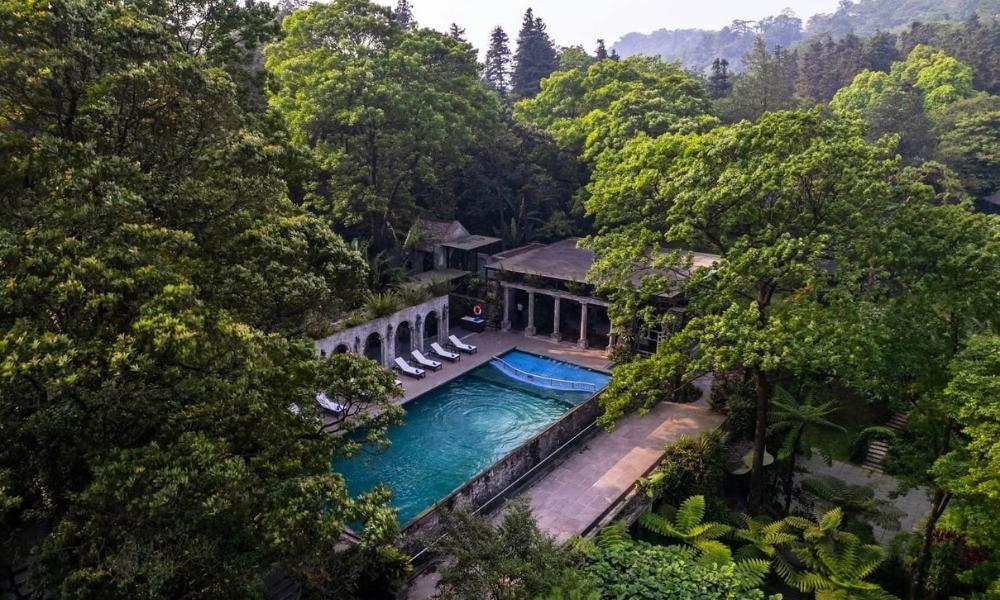
Amidst a powerful global shift toward sustainability, Vietnam’s culinary landscape is dynamically embracing this mindful movement. The “Farm-to-Table” model is steadily asserting its presence, completely reshaping our definition of a premium dining experience. Instead of relying on mass-produced industrial supply chains, pioneering restaurants in tourist hubs like Hanoi, Hoi An, and Da Lat are cultivating their own organic gardens or building close-knit partnerships with local farmers. This practice not only guarantees the absolute, peak freshness of ingredients but also drastically reduces the carbon footprint generated by long-distance transportation.
For eco-conscious diners with a sophisticated palate, exploring the green culinary movement in Vietnam promises a vibrant awakening of the senses. Let us journey through five exemplary sustainable restaurants where every dish served is a story honoring sustainable agriculture.
A Journey to Explore Vietnam’s Premier Farm-to-Table Dining Destinations
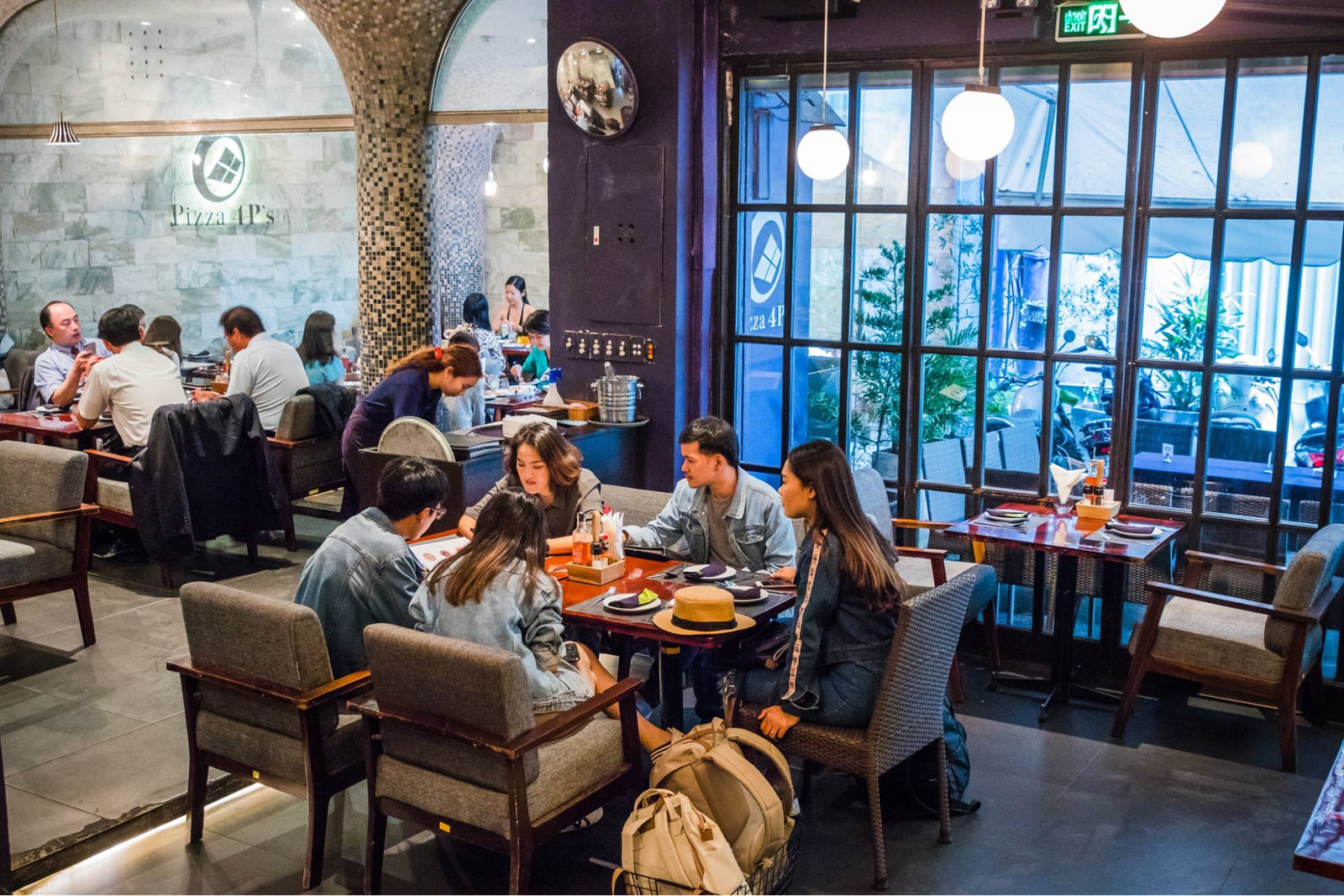
1. Pizza 4P’s Xuan Thuy (Hanoi) – Green Architecture meets Circular Philosophy
Though part of a widely successful brand with multiple locations, Pizza 4P’s Xuan Thuy (Cau Giay, Hanoi) stands out as one of the most brilliant executions of the “Zero Waste” ethos combined with a unique farm-to-table mindset in the capital. The restaurant maintains a strict, direct network with their partner dairy farms and certified organic farms in Da Lat to source house-made fresh cheeses and pristine vegetables daily. What truly sets this branch apart is its rigorous kitchen waste-sorting system used to produce organic compost right back into the soils, alongside an advanced wastewater treatment system utilized to hydrate its lush internal gardens. Stepping into this space—bathed in natural light and raw brickwork—you can savor wood-fired artisanal pizzas topped with crisp arugula and bursting, sun-ripened cherry tomatoes, feeling their unwavering eco-commitment in every single bite.
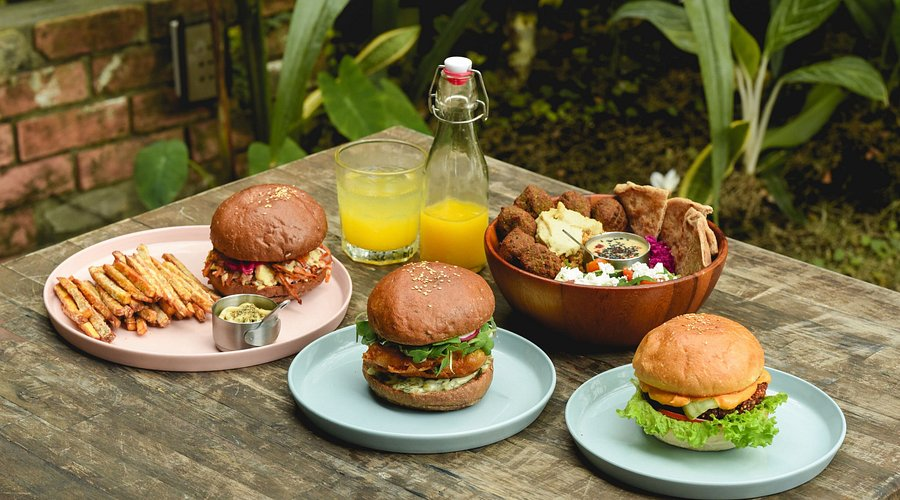
2. Chula Taberna Mexicana (Hoi An) – Bold Mexican Flavors from Central Vietnam’s Organic Soils
Tucked away by the poetic Thu Bon River in Hoi An’s ancient town, Chula Taberna Mexicana delivers a delightful surprise by seamlessly fusing vibrant Mexican cuisine with sustainable local agriculture. The owners have personally woven a tight-knit network with family farmers in the renowned Tra Que Vegetable Village and neighboring organic cooperatives to source all of their fresh herbs, chilies, tomatoes, and sweet corn. Instead of importing characteristic Mexican produce, they choose to cultivate these crops natively in Central Vietnam’s fertile soil. Every plate of tacos, nachos, or freshly crushed salsa bursts with the snappy, vibrant crunch of vegetables harvested earlier that morning, offering an dining adventure that is wildly Western yet profoundly connected to Hoi An’s soil in an open-air venue designed to catch the riverside breeze.
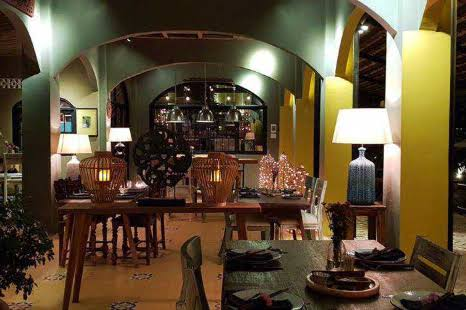
3. Biang Bistro (Da Lat) – A Culinary Symphony in the Misty Valley
Celebred as Vietnam’s agricultural paradise, Da Lat is the ultimate cradle for the farm-to-table movement, and Biang Bistro on Ly Tu Trong Street shines as a true crown jewel of this trend. The bistro operates its very own dedicated organic farm in the city’s outskirts, harvesting fresh produce at the break of dawn exclusively to supply the daily changing menu. Biang’s culinary identity is a sophisticated crossover between refined Western techniques and the highland’s distinct aromatic herbs. Their salad bowls resemble edible art pieces showcasing the crisp vibrance of broccoli, the natural sweetness of baby carrots, and the pungent notes of fresh rosemary. Enjoying a romantic candlelit dinner here, cradled by rustic timber architecture and layers of greenery, makes you feel fully at peace with Da Lat’s misty natural beauty.
4. The Field Restaurant (Hoi An) – Ecological Dining amidst Shimmering Rice Fields
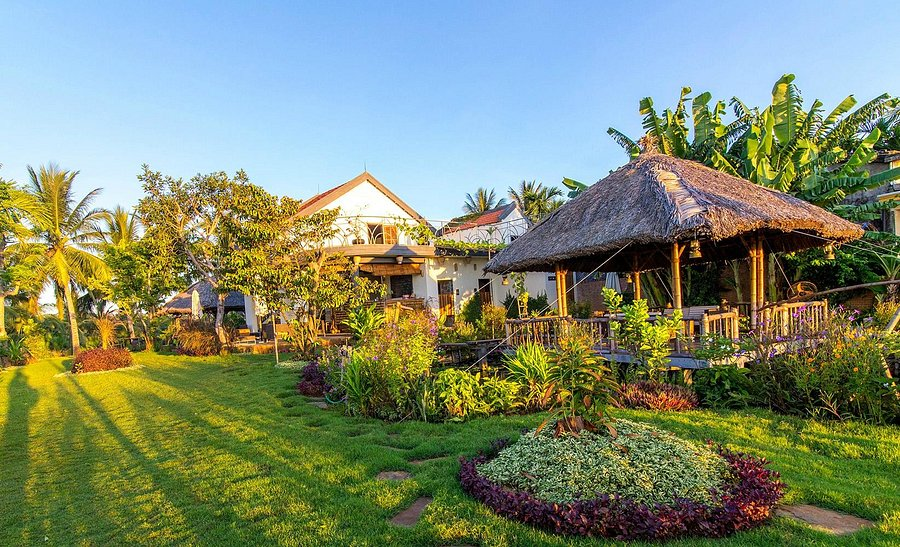
Secluded from the bustling center of the old town, The Field Restaurant offers a purest definition of farm-to-table dining, situated directly adjacent to an expansive, vibrant green rice field in rural Hoi An. The restaurant functions on a philosophy of absolute respect for nature: zero chemical additives, no single-use plastics, and a strict prioritization of seasonal ingredients plucked from their backyard garden and sourced from local fishermen practicing traditional, small-scale netting on the river. The menu features elevated Vietnamese comfort food, meticulously focused on preserving the inherent, unadulterated flavors of the food without relying on commercial flavor enhancers. Sitting inside open bamboo pavilions, savoring a naturally sweet bowl of gathered wild-leaf soup or a savory claypot of river fish while gazing over the endless horizon of rice paddies, you will deeply understand the sacred bond between humanity, food, and the environment.
5. Primavera Italian Restaurant (Da Lat) – Authentic Italian Gems Rooted in Highland Soil
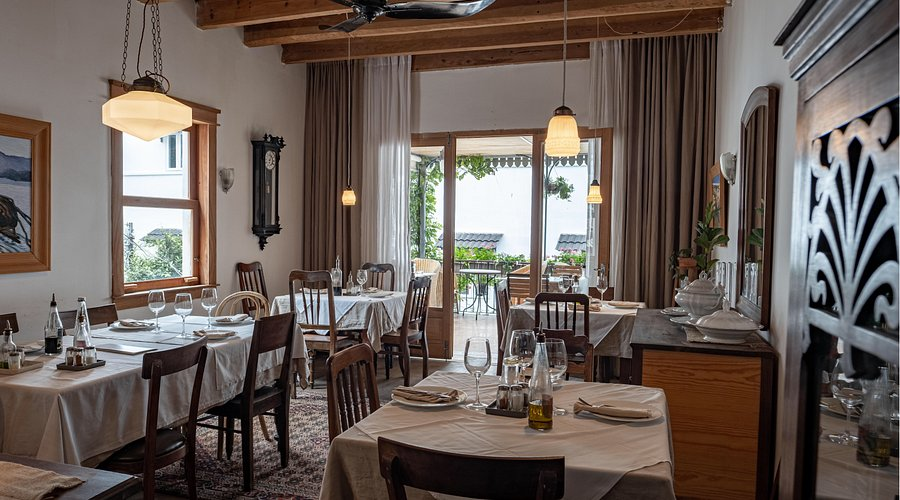
Perched along one of Da Lat’s iconic, sloping hillside alleys, Primavera Italian Restaurant is a legendary institution for anyone seeking an authentic farm-to-table experience. The restaurant’s Italian owner personally operates a private organic farm on the outskirts of the highlands to cultivate signature Mediterranean botanicals including sweet basil, oregano, and rosemary, alongside plump, juicy heirloom tomato varieties. Every plate of hand-rolled artisanal pasta and thin-crust pizza delivers an exceptional, premium flavor profile, born from the marriage of traditional Italian culinary heritage and the absolute freshness of highland crops harvested just hours prior. By intentionally avoiding heavy industrial sauces, Primavera honors the crisp, natural sweetness and deep aromas of clean herbs, creating a sophisticated, pure dining experience that is profoundly kind to the planet.
The Sustainable Values Behind Every Farm-to-Table Plate
Choosing to dine at farm-to-table restaurants is far more than pampering your palate with the freshest ingredients; it is a powerful, responsible act of support toward the environment and the local community.
- Shrinking the Carbon Footprint: By sourcing directly from nearby land or practicing self-sufficiency, these establishments eliminate heavy plastic packaging, chemical preservation treatments, and long-distance cargo transportation—which are leading contributors to global environmental pollution.
- Empowering Local Livelihoods: Maintaining long-term partnerships with native farmers ensures a reliable, fair income for organic agriculture, incentivizing communities to preserve ancestral farming wisdom and reject harsh pesticides that degrade soil and water tables.
- Safeguarding Personal Health: Meals derived from organic, seasonal sources retain their maximum nutrient density and remain entirely free of chemical residues, effectively purifying the body and delivering a source of clean, natural energy.
Conclusion
The rising tide of the farm-to-table movement in Vietnam vividly proves a beautiful truth: an elite, unforgettable meal does not require expensive imported luxuries, but rather a deep reverence and understanding of the value of the local soil. From the modern, circular spaces of the capital city of Hanoi and the rustic, wind-swept rice fields of Hoi An to the dew-kissed vegetable valleys of Da Lat, each eco-friendly restaurant is planting green seeds for a sustainable future. On your upcoming travels through Vietnam, make a reservation at one of these thoughtful sanctuaries, take your time savoring the unadulterated flavors, and feel the magical connection between nature and humanity through every single spoonful!