Mekong Delta Slow Travel: Top 5 Authentic Homestays in Can Tho
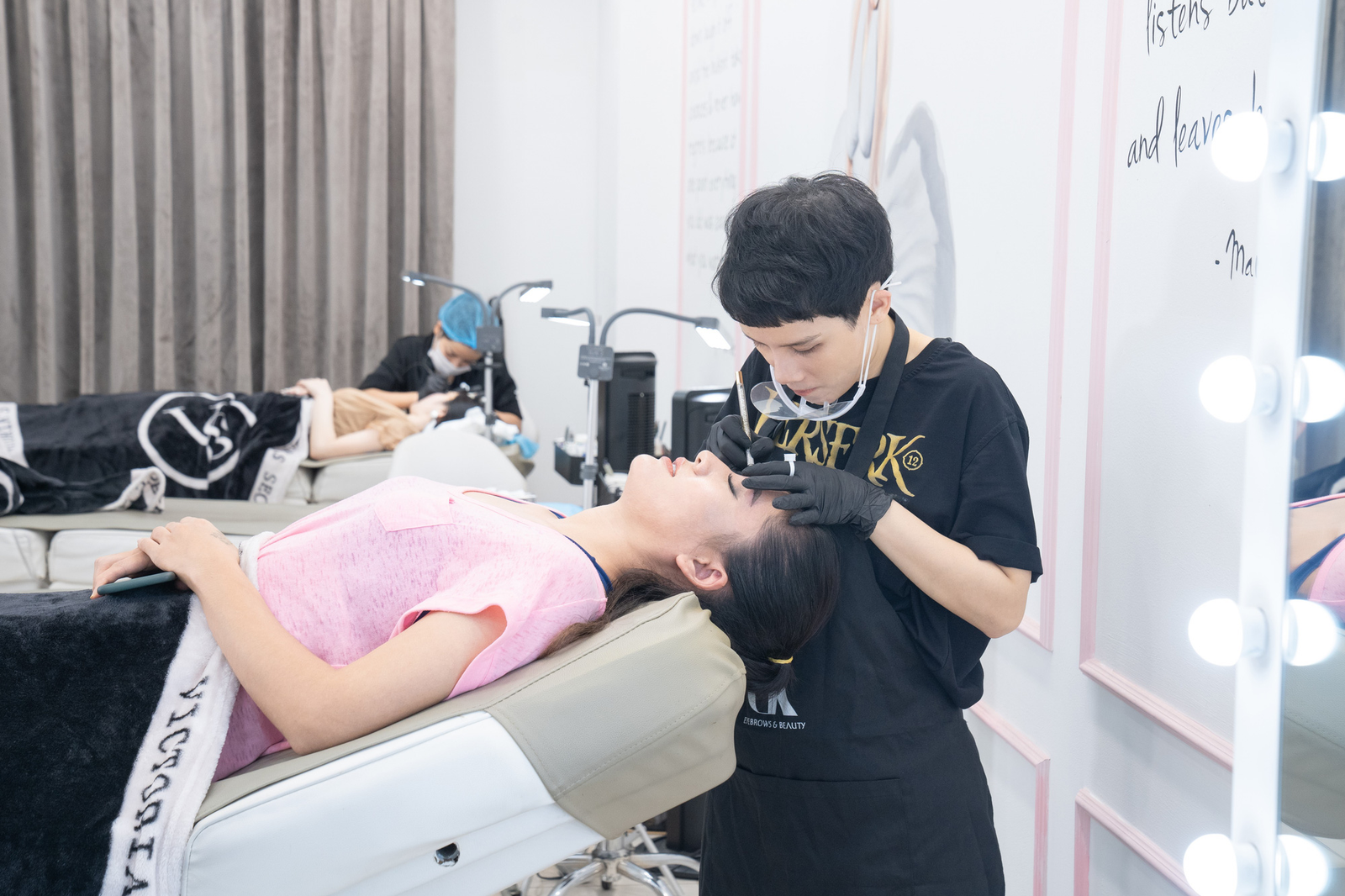
The Guide to Professional Medical Tattooing & Microblading in Hanoi: Natural Beauty, Maximum Safety
Achieving a well-defined face with elegant eyebrows and radiant, plump lips is every woman’s dream. In Hanoi, the beauty trend has undergone a massive shift. Instead of the outdated, overly dark, and sharp look, modern women are absolutely raving about European-standard semi-permanent makeup and microblading. This advanced technique celebrates natural, effortless beauty—delivering instant results with…
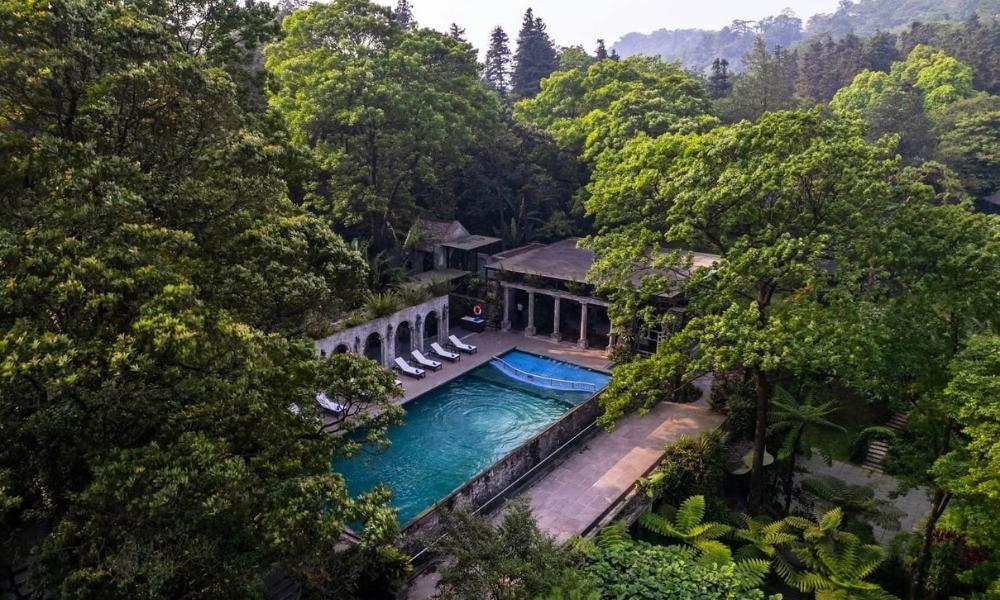
In the frantic rush of modern life, Slow Travel has emerged as a spiritual balm for weary souls. Instead of racing against time to check off as many destinations as possible, slow travel in Can Tho invites you to linger, breathe deeply, and truly immerse yourself in the local rhythm. It is a journey back to authentic values: a family meal cooked over a wood fire, the sound of oars cutting through the water at dawn, or simply a midday nap in a creaking hammock beneath the shade of plum and mango trees.
Here are 5 recommended garden homestays in Can Tho for those seeking to discover the true soul of the “Land of Nine Dragons.”
1. Hieu’s Cottage – Charm by the Narrow Canal
Nestled in the lush greenery of Phong Dien District, Hieu’s Cottage is more than just a place to stay; it is a complete experience of living with nature. The rooms are designed in a rustic architectural style using natural materials, surrounded by orchards heavy with fruit. The highlight here is the heartfelt Western Vietnamese hospitality of the staff. Early in the morning, you can join the host on a small boat, weaving through narrow canals to reach the Phong Dien floating market while the mist still lingers. In the afternoon, don’t forget to stop by the small kitchen to learn how to make authentic “Banh Xeo” (Vietnamese sizzling crepes), from grinding the flour to flipping the golden crepes in a hot pan.
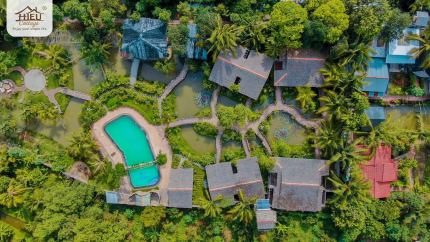
2. Vam Xang Rustic Home – The Breath of Heritage in an Ancient Garden
Vam Xang Rustic Home is an icon of garden tourism in Phong Dien. Stepping through the gate, you will feel as if you’ve wandered into old Southern Vietnam, with tree-lined paths and tile-roofed houses peeking through the foliage. The most special aspect here is the family bond; guests are welcomed like returning relatives. You can accompany the host to the early market to select the freshest ingredients for a lunch served in the traditional “landed gentry” style. Stories shared over hot tea about the land’s history and the family’s garden-tending traditions will give your trip profound depth and meaning.
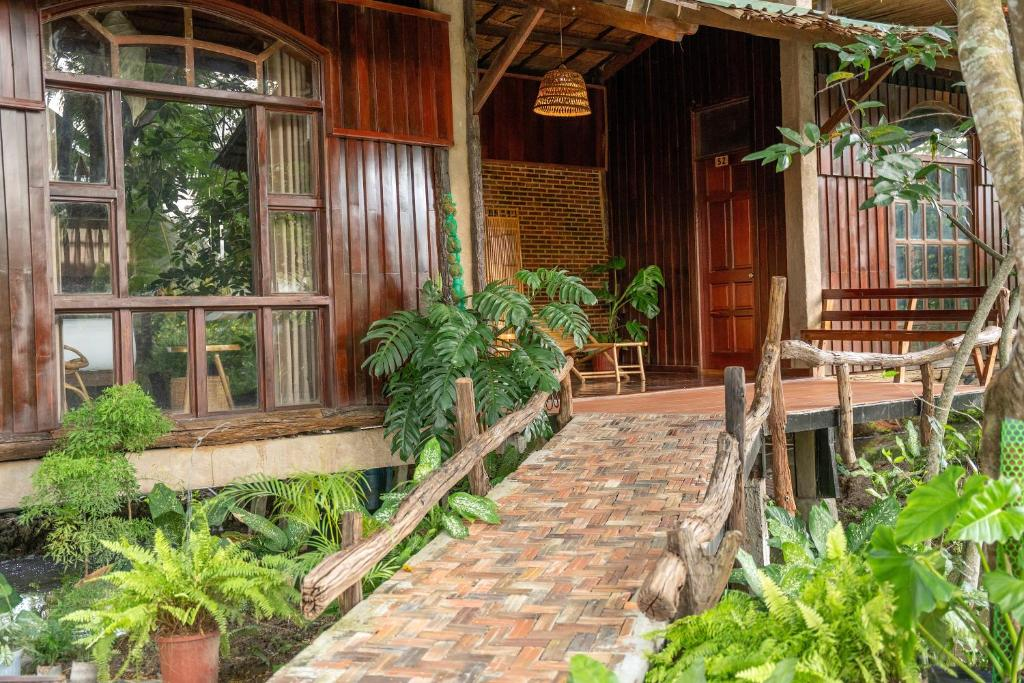
3. Green Village Mekong – Exquisite Rusticity
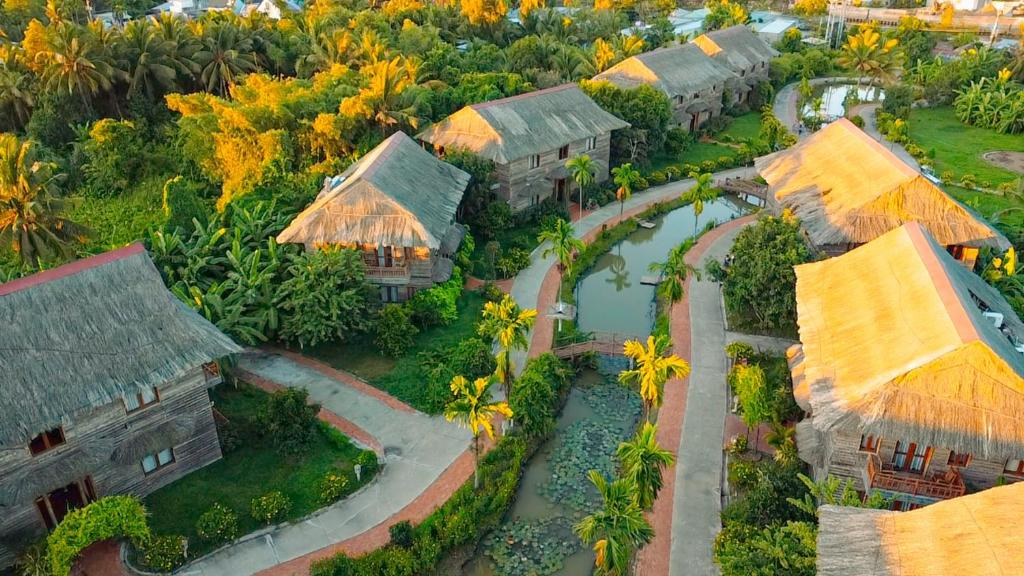
Green Village Mekong impresses with its thatched-roof, mud-walled houses tucked away under towering coconut palms. The space is so quiet that you can hear the whisper of the wind. The owners are deeply knowledgeable about local culture and are always ready to share stories about the formation of the “Western Capital” (Tay Do). In the morning, you’ll be awakened by the sound of boats echoing from the river, signaling the start of your journey to the Cai Rang floating market. A unique feature of Green Village is its highly interactive cooking classes, where you pick vegetables directly from the garden and learn to season dishes with that signature “sweetness” unique to the Mekong people.
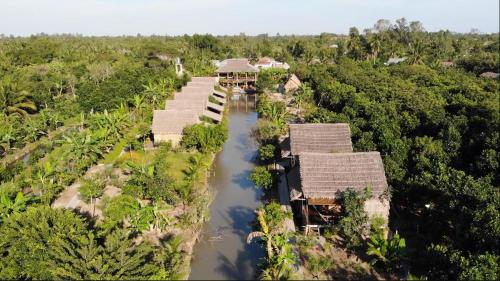
4. Mekong Rustic Can Tho – Returning to Traditional Values
True to its name, Mekong Rustic offers a simple, old-world beauty that is meticulously maintained. This homestay recreates the living space of a middle-class Mekong family from the past, featuring wooden furniture and nostalgic artifacts. Staying here, guests are encouraged to participate in daily activities such as ditch-fishing, gardening, or learning traditional crafts at nearby craft villages. Going to the floating market with the host is not just for sightseeing; it’s a practical lesson in the “hanging what you sell” trading culture on the beo poles. This is the ideal place to slow down, observe, and feel the genuine, gentle nature of the river people.
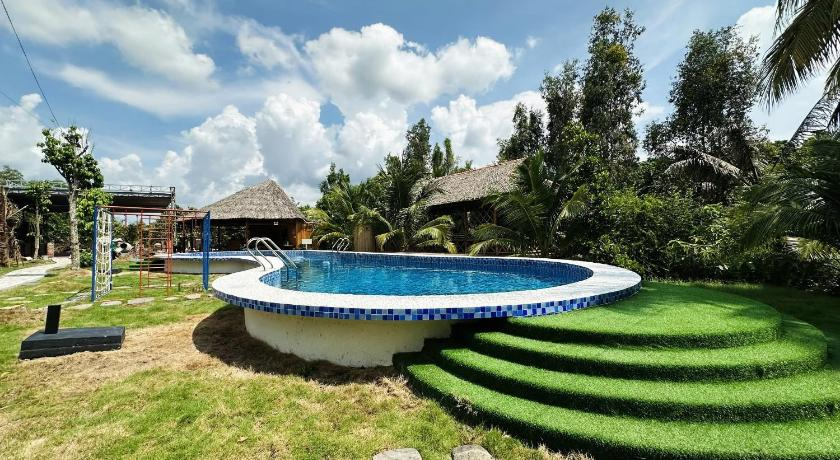
5. Can Tho Eco Resort – A Fusion of Comfort and Identity
While it carries a resort style, Can Tho Eco Resort preserves the soul of a true garden homestay with its vast green landscape. Here, the philosophy of “living in harmony with nature” is strictly applied. You can spend the whole day wandering through the organic farm, hand-harvesting vegetables for your own meal. The resort organizes floating market tours very early to avoid the tourist crowds, allowing you to witness the authentic daily lives of the river traders. After a long day of exploration, sitting down with the host family for a bowl of sour soup with linh fish and sesbania flowers will help you understand why people fall so deeply in love with this land.
Conclusion
Slow travel in Can Tho is not merely a trip; it is a journey of connecting the soul with nature and people. Choosing to stay at garden homestays, visiting the floating markets together, and sharing home-cooked meals not only deepens your understanding of river life but also supports sustainable tourism and respects local cultural identity.
Are you ready to leave your worries behind, return to Can Tho, listen to the waves lapping against the boat, and enjoy a bowl of hot rice fragrant with the scent of a new harvest?