
Exploring Sapa: Top 5 Ethnic Trekking Routes You Shouldn’t Miss

The Guide to Professional Medical Tattooing & Microblading in Hanoi: Natural Beauty, Maximum Safety
Achieving a well-defined face with elegant eyebrows and radiant, plump lips is every woman’s dream. In Hanoi, the beauty trend has undergone a massive shift. Instead of the outdated, overly dark, and sharp look, modern women are absolutely raving about European-standard semi-permanent makeup and microblading. This advanced technique celebrates natural, effortless beauty—delivering instant results with…
Sapa town, with its misty veil and modern amenities, has an undeniable charm. However, if you only linger around the central square or Cau May Street, you are inadvertently missing out on the “authentic Sapa” – a place of rustic wooden houses, majestic terraced fields, and the gentle smiles of ethnic minorities. Trekking into these remote villages is not just a physical activity; it is a journey into the heart of a unique local culture.
1. Lao Chai – Ta Van: Wandering Through a “Sea” of Terraced Fields
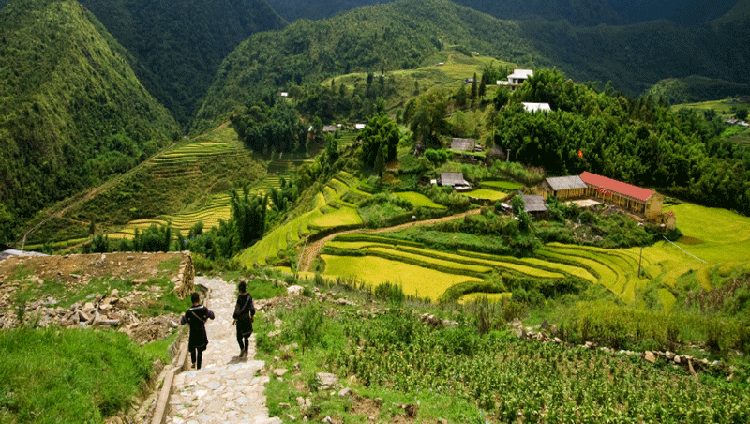
This is a classic route, yet it remains a perennial favorite for Sapa enthusiasts. Starting from the town, you will descend into the Muong Hoa Valley, home to some of the world’s most breathtaking terraced rice fields. The highlight of this trek is the fascinating cultural transition: from Lao Chai, a Black H’mong village known for its distinctive indigo-dyed clothing, to Ta Van, inhabited by the Giay people who live in charming stilt houses by the stream. Walking along the winding dirt paths, listening to the murmur of the Muong Hoa stream, and witnessing the daily pace of life will bring you an extraordinary sense of peace.
2. Ban Khoang – Ta Giang Phinh: Pristine Beauty Off the Beaten Path
If you wish to escape the tourist crowds, head northwest to Ban Khoang. This area is home to the Red Dao and H’mong people, where the natural landscape remains remarkably untouched. This route leads you through regenerative forests, narrow valleys, and fragrant cardamom fields. Upon reaching Ta Giang Phinh, you will be treated to a spectacular view of the majestic Ngu Chi Son peak piercing through the clouds. This is a “true” trekking experience for those seeking tranquility and a deep dive into the long-standing customs of the Dao people.
3. Ma Tra – Ta Phin: A Tapestry of Ethnic Brocade
The route from Ma Tra to Ta Phin offers a gentler journey, perfect for a short day trip. Ma Tra is a small H’mong hamlet where you can see children playfully herding buffalo in the meadows. Continuing the path leads to Ta Phin, the “capital” of the Red Dao people, renowned for their intricate brocade weaving and legendary herbal bath remedies. After a few hours of trekking, there is nothing more rewarding than soaking in a Po-mu wooden tub filled with steaming herbal water while watching the clouds drift past the window.
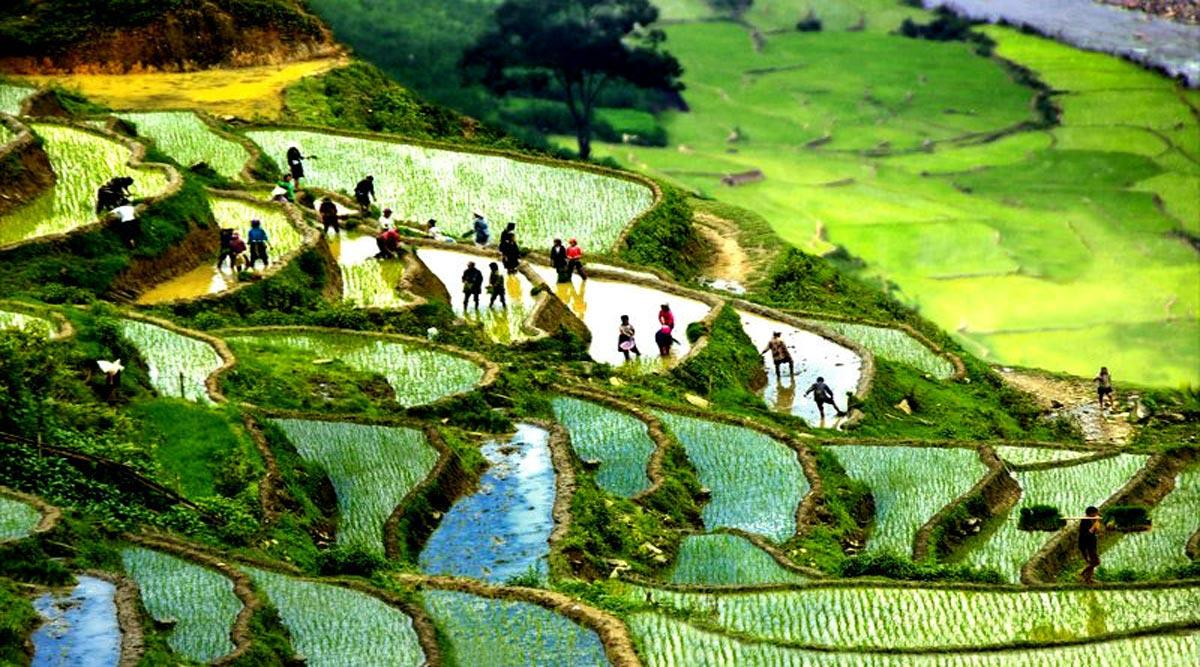
4. Ban Ho: Discovering the Sunny South
Located about 20km from the town center, Ban Ho enjoys a noticeably warmer climate. The trekking route down to Ban Ho is often steeper and more challenging, but it rewards hikers with breathtaking panoramic views of the Lanh and Trung Chai streams. Here, you will be welcomed by the Tay community in their spacious, well-kept stilt houses. Beyond trekking, you can experience natural hot mineral springs right in the village—a perfect treat for your tired muscles after a long day’s hike.
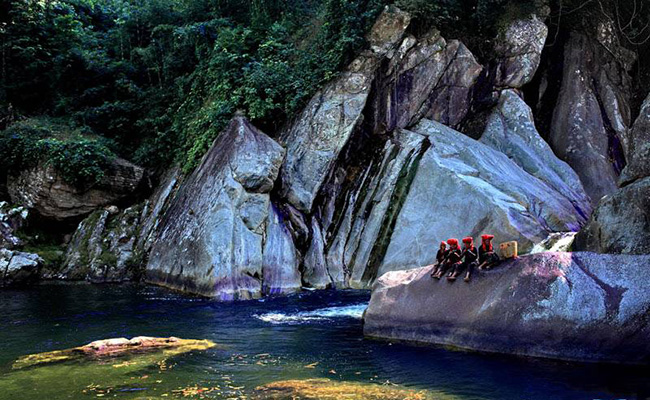
5. Y Linh Ho – Cat Cat: Along the Ancient Streams
Instead of following the paved road into the Cat Cat tourist area, opt for the trekking route starting from Y Linh Ho. This path runs along the mountainside and follows small streams trickling down to the valley. You will pass through corn plantations, cross rickety bamboo bridges, and observe H’mong women diligently working at their looms. Ending the journey at Cat Cat village allows you to better understand how the locals preserve traditional crafts such as silversmithing, bronze casting, and fabric weaving.
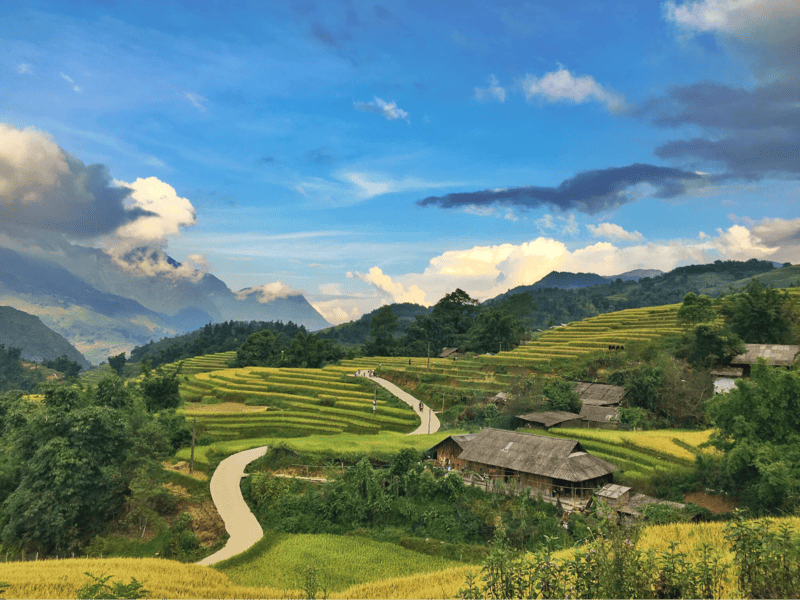
The “Golden Time” for Your Trek
To ensure a perfect trekking experience, timing is everything:
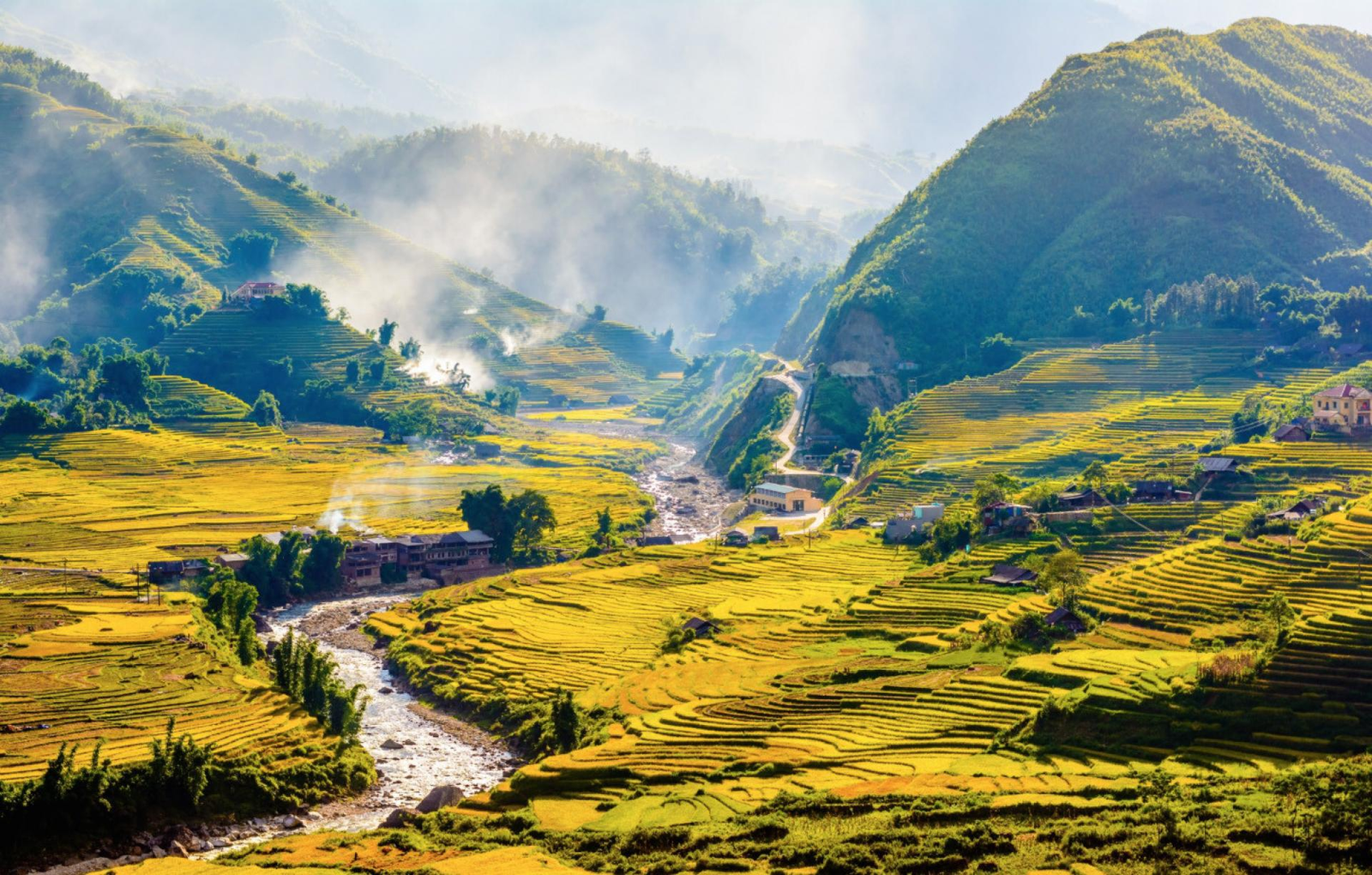
- Golden Harvest Season (September – Early October): This is when Sapa dons a magnificent coat of golden yellow. The scent of ripe rice wafting through the air will make all the fatigue of walking disappear. This is also the driest and most pleasant time of the year.
- Cloud Hunting Season (November – March): Routes like Ban Khoang or Ta Giang Phinh become ethereal as white clouds flood the valleys. However, the weather can be quite cold and paths may be slippery due to frost; ensure you are equipped with high-traction trekking shoes.
Conclusion
Stepping away from high-rise hotels and neon lights to trek through Sapa’s ethnic villages is the best way to reconnect with nature and humanity. Every step on the gravel, every sip of pungent corn wine, or a night spent at a local homestay will become a cherished piece of your travel diary. Sapa is not just a place to see; it is a place to be felt with your feet and your heart. Pack your bags and start your journey to explore these incredible routes today!