Exploring Mu Cang Chai: The Most Stunning Terraced Rice Fields in the World
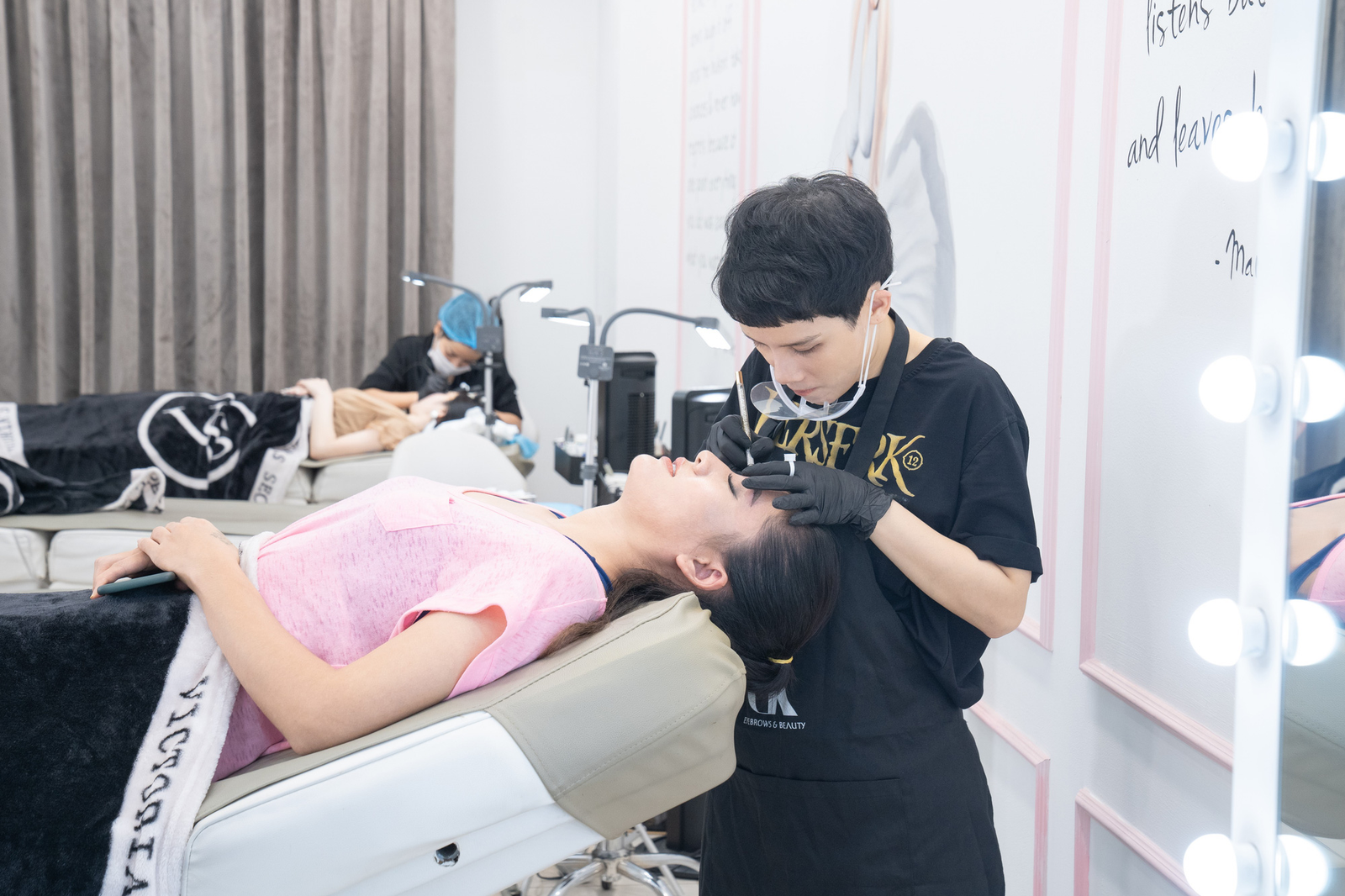
The Guide to Professional Medical Tattooing & Microblading in Hanoi: Natural Beauty, Maximum Safety
Achieving a well-defined face with elegant eyebrows and radiant, plump lips is every woman’s dream. In Hanoi, the beauty trend has undergone a massive shift. Instead of the outdated, overly dark, and sharp look, modern women are absolutely raving about European-standard semi-permanent makeup and microblading. This advanced technique celebrates natural, effortless beauty—delivering instant results with…
Mu Cang Chai—a highland district in Yen Bai Province, Vietnam—has long been a legendary name among passionate wanderers and landscape photographers. Nestled at the foot of the majestic Hoang Lien Son mountain range, the terraced fields here resemble giant stairways carving their way into the blue sky. They are rightfully celebrated as one of the most spectacular man-made landscapes on Earth. If you are planning a once-in-a-lifetime journey, dive into this comprehensive photography guide to capturing Mu Cang Chai during its two most photogenic periods: The Water-Pouring Season (May – June) and The Ripe Rice Season (September – October).
1. The Water-Pouring Season (May – June): A Symphony of Light on “Giant Mirrors”
When the first summer rains cascade over the mountains, the Mong and Thai ethnic minorities begin their new farming cycle. Water from the mountain peaks is channeled down, flooding the terraces step by step. This creates an extraordinary natural and human-engineered phenomenon. For photographers, the water-pouring season (also known as the land-preparation season) is the golden hour for fine-art photography, offering stark, dramatic contrasts between light, earth, and water.
Mong Ngua (Sang Nhui) – The Dance of Sensuous Curves
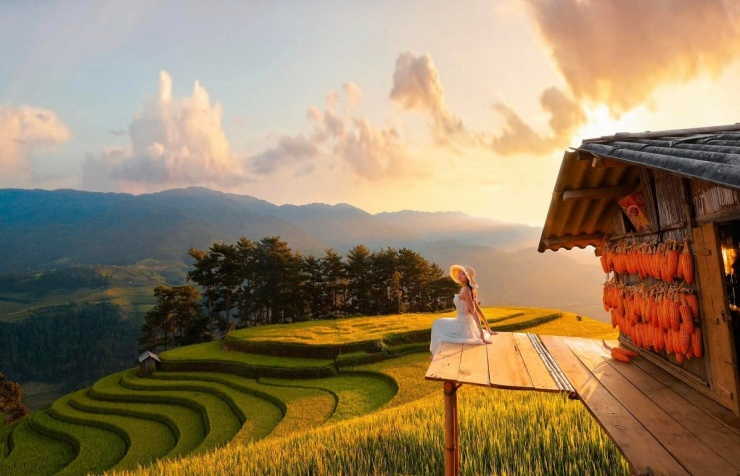
During the water-pouring season, the Horseshoe Hill (locally known as Mong Ngua or Sang Nhui) transforms into a geometric masterpiece. Here, the soft, sweeping curves of the terraced fields cradle the shimmering water, perfectly mirroring the sky at dawn and dusk. To capture the ultimate shot, you should arrive by 4:30 AM to catch the first light piercing through the morning mist. As the sun rises, the pristine, mirror-like water reflects a breathtaking palette: the rich brown of the soil, the delicate green of young seedlings, and the ethereal crimson and violet hues of the sky.
Che Cu Nha – Raw, Untamed Grandeur
While Mong Ngua is celebrated for its graceful curves, Che Cu Nha offers a sharper, more awe-inspiring sense of scale, defined by steep, towering ridges that roll into the horizon. Photographing Che Cu Nha during the water-pouring season requires patience as you wait for the perfect human element: a farmer leading a water buffalo through the mud or women bending down to transplant rice seedlings. The presence of human life amidst the vast, water-drenched landscape tells a powerful visual story of harmony between humanity and nature.
2. The Golden Rice Season (September – October): An Ocean of Gold in the Northwest Highlands
If the water-pouring season is defined by its quiet, reflective mystique, autumn in Mu Cang Chai is a celebration of opulence and abundance. From mid-September to early October, the entire valley and its surrounding hillsides drape themselves in a magnificent golden robe. The sweet, intoxicating aroma of ripe rice wafts through the crisp autumn air, creating an atmosphere that enchants anyone who steps into this paradise.
Mam Xoi Hill (La Pan Tan) – The Heart of the Golden Season
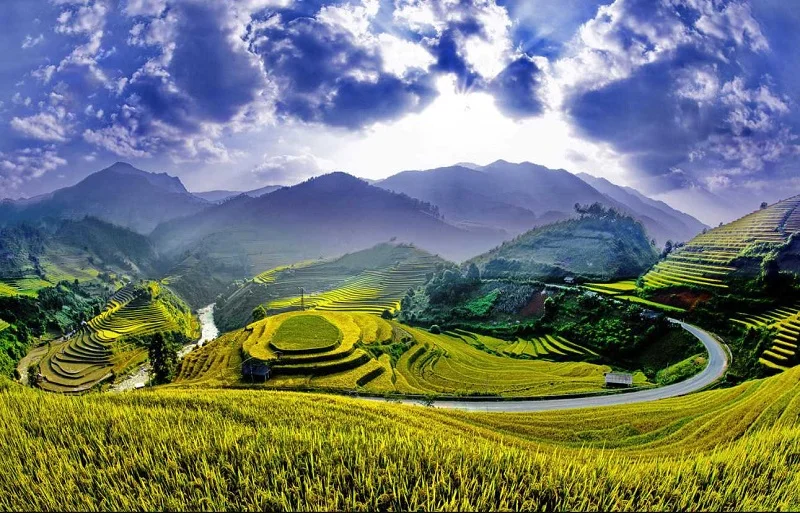
Widely regarded as the ultimate icon of Mu Cang Chai tourism, Mam Xoi (Sticky Rice Tray) Hill in La Pan Tan is a mandatory pilgrimage for every photographer. When the harvest peaks, this perfectly round hilltop turns into a brilliant golden dome rising from the emerald green valley. The most precious window to shoot is between 6:00 AM and 7:30 AM. During these magical moments, autumn dew still clings to the rice ears as the morning sun gently sweeps across the hill, creating a natural, buttery-gold filter that feels incredibly warm and cinematic.
Khau Pha Pass – Aerial Perspectives from Hot Air Balloons and Paragliders
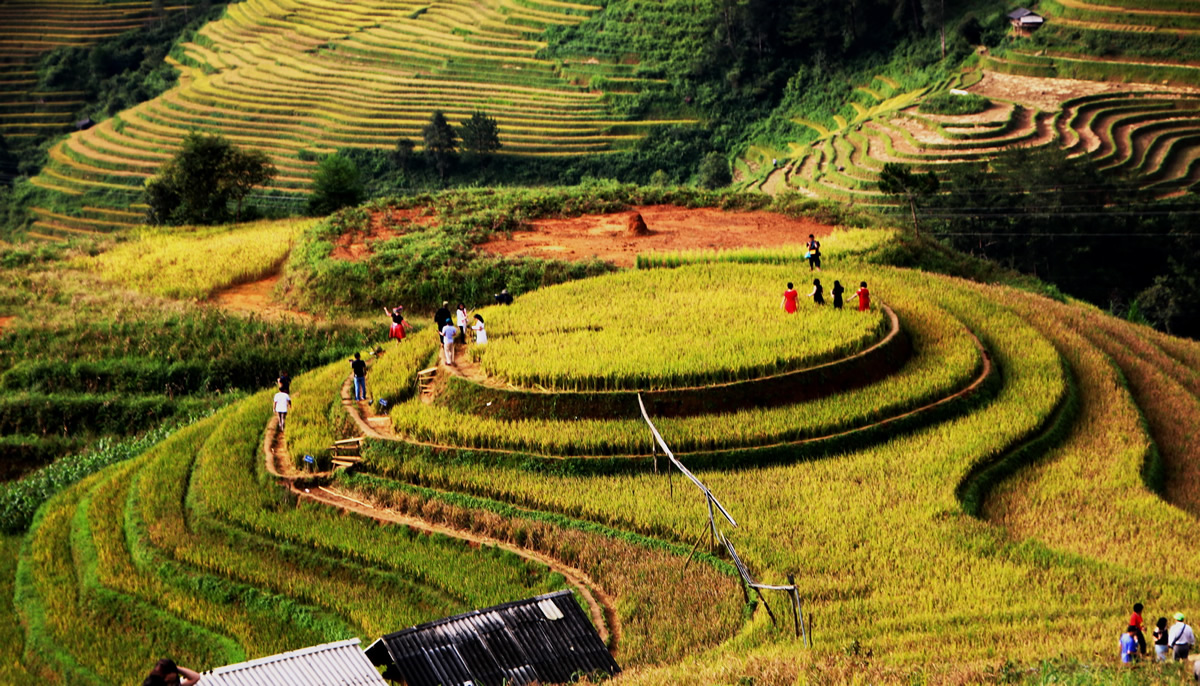
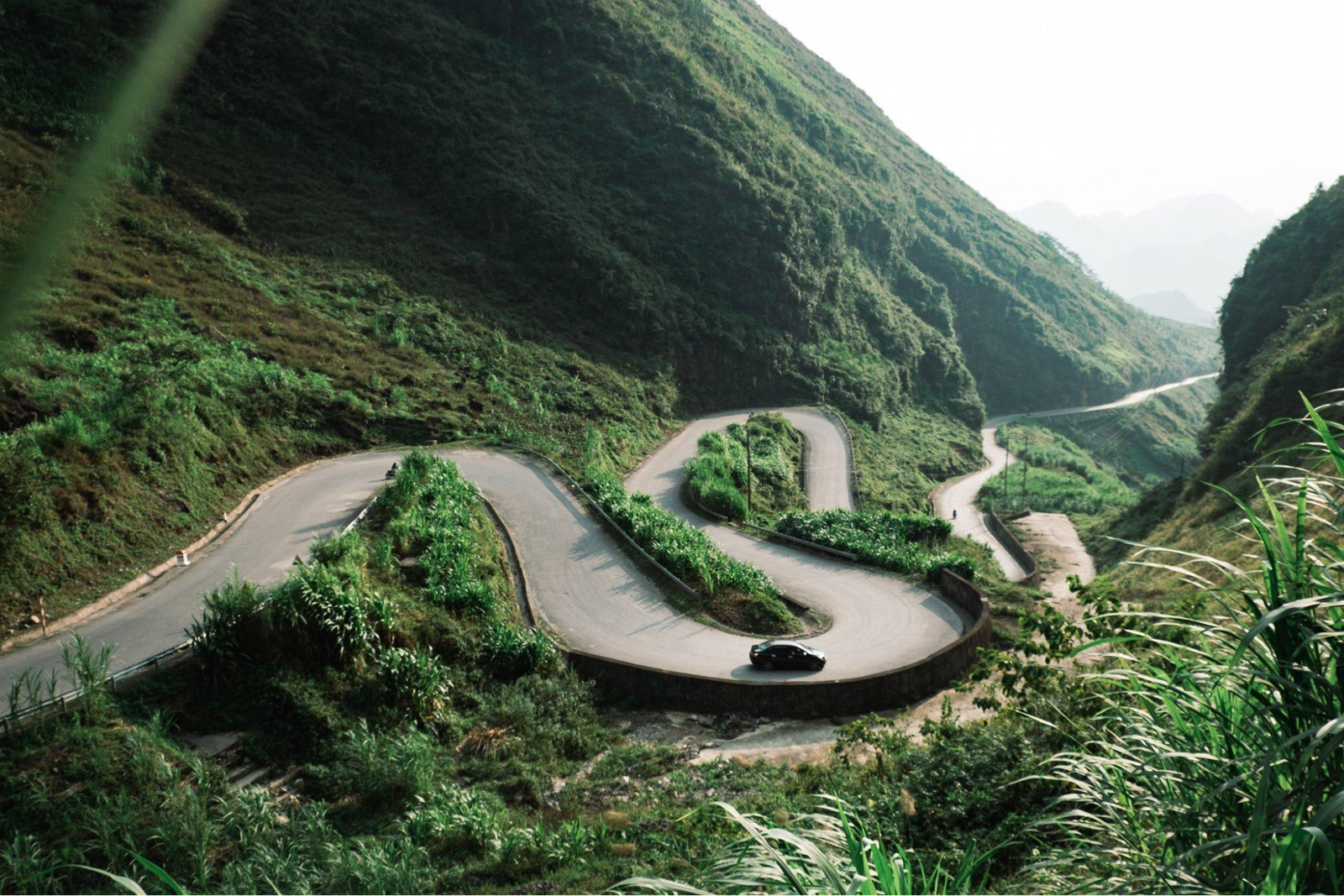
As one of Vietnam’s “Four Great Mountain Passes,” Khau Pha offers a jaw-dropping panoramic view of the expansive Lim Mong Valley below. In the autumn, the valley transforms into a colossal golden silk carpet woven from varying shades of yellow and amber. If you manage to time your trip with the “Flying over the Golden Season” festival, you can capture award-winning shots of vibrant paragliders soaring against the endless, golden backdrop of the ripening terraces.
3. Insider Photography Tips for Creating Masterpieces in Mu Cang Chai
To ensure your photography expedition is both seamless and artistically rewarding, keep these professional “field-tested” tips in mind:
- Gear Selection: Given the immense scale of the landscape, a wide-angle lens is essential to capture the sheer vastness of the terraces. However, do not leave your telephoto lens (70-200mm or higher) behind; it is crucial for isolating the mesmerizing patterns of the curves and capturing the candid movements of locals from a distance. A Circular Polarizer (CPL) filter and Neutral Density (ND) filters are also vital for managing harsh glare and reflections during the water-pouring season.
- Chasing the Weather: Weather in the highlands is notoriously unpredictable. Check the 3-day forecast before you head out. The mornings right after a heavy rain are often the most magical, as the air clears up completely, significantly increasing your chances of capturing low-hanging valley fog or a sea of clouds at sunrise.
- Cultural Respect: When photographing the locals or ethnic minority children, always greet them with a warm smile and ask for permission first. Genuine kindness and respect will always reward you with the most authentic, soulful, and natural candid moments.
Conclusion
Whether you are drawn to the shimmering, ethereal magic of the water-pouring season or the opulent, sun-drenched glory of the harvest, Mu Cang Chai consistently earns its reputation as one of the world’s premier photography paradises. With every passing season, this land writes a new chapter using nothing but light, earth, and color. Pack your bags, charge your batteries, and let your soul wander along these stairways to heaven. The masterpieces you bring home won’t just live on your memory card—they will be forever etched in your memories of a breathtaking, proud Northwest Vietnam.