Vietnam’s Bread Culture Beyond Banh Mi: Top Bakeries to Visit

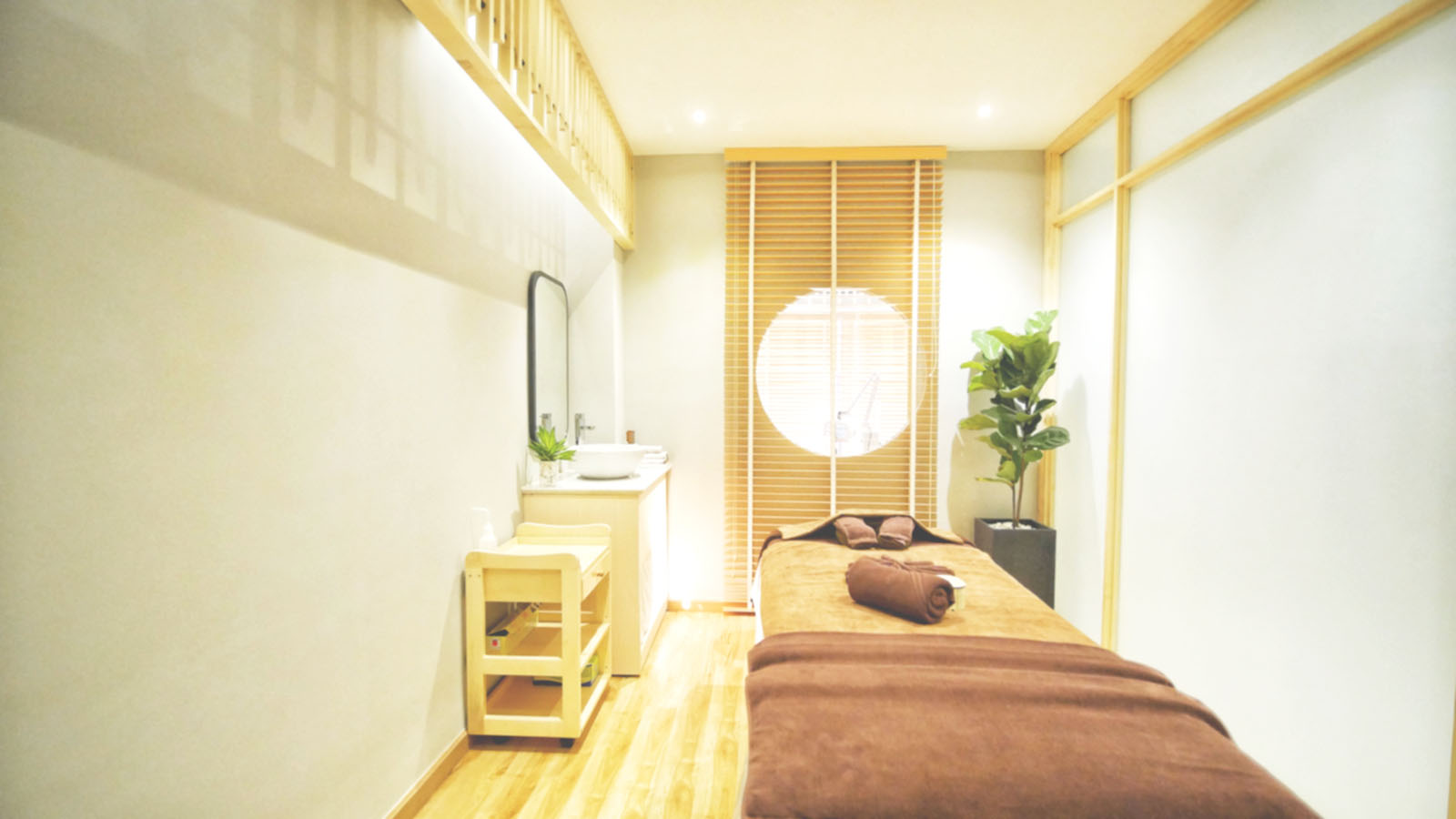
The Guide to Professional Medical Tattooing & Microblading in Hanoi: Natural Beauty, Maximum Safety
Achieving a well-defined face with elegant eyebrows and radiant, plump lips is every woman’s dream. In Hanoi, the beauty trend has undergone a massive shift. Instead of the outdated, overly dark, and sharp look, modern women are absolutely raving about European-standard semi-permanent makeup and microblading. This advanced technique celebrates natural, effortless beauty—delivering instant results with…

When people think of bread culture in Vietnam, the minds of most international travelers—and even locals—instantly picture the world-famous, savory banh mi sandwich packed with pâté, cold cuts, pickled daikon, and fresh cilantro. However, the depth of flour-and-yeast culture in this Southeast Asian country stretches far beyond that single iconic sub. Standing at a vibrant crossroads where time-honored French baking techniques meet the rustic ingenuity of local street food, major cities like Hanoi and Saigon boast an incredibly rich baking heritage. This world features everything from authentic baguettes baked in time-worn ovens and golden, airy street-style banh tieu to meticulously handcrafted, butter-layered croissants.
For souls passionate about the pure flavors of flour, butter, and fermentation, exploring Vietnam’s bakeries unfolds an entirely new lens on the precision and artistry of local bakers. Let us dive into this in-depth guide to explore the finest baking destinations that exist well outside the boundaries of the familiar sandwich map.
Extraordinary Highlights of Vietnam’s Baking Culture
1. The Classical French Baguette – Keeping a Century-Old Heritage Alive
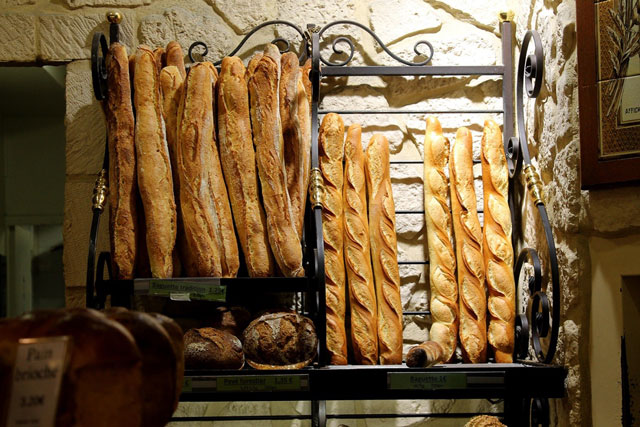
To truly understand why Vietnamese bakers can produce loaves with that legendary, paper-thin, crispy crust, you must trace the roots back to the country’s historic French-style bakeries. Here, veteran bakers remain fiercely loyal to the original baguette recipe: just flour, water, yeast, and salt, with absolutely zero artificial additives. The lengthy process of hand-kneading and natural fermentation takes hours, and the scoring of the dough requires absolute precision to allow the loaf to rise evenly in the oven. This creates a golden-straw, crackly exterior and a beautifully aerated, pillowy interior filled with perfect air pockets (alveoles). Snapping a hot, fresh baguette in half, inhaling the pure aroma of baked flour, and spreading it with a pat of unsalted butter reveals exactly why this culinary heritage embedded itself so deeply into Vietnamese life.
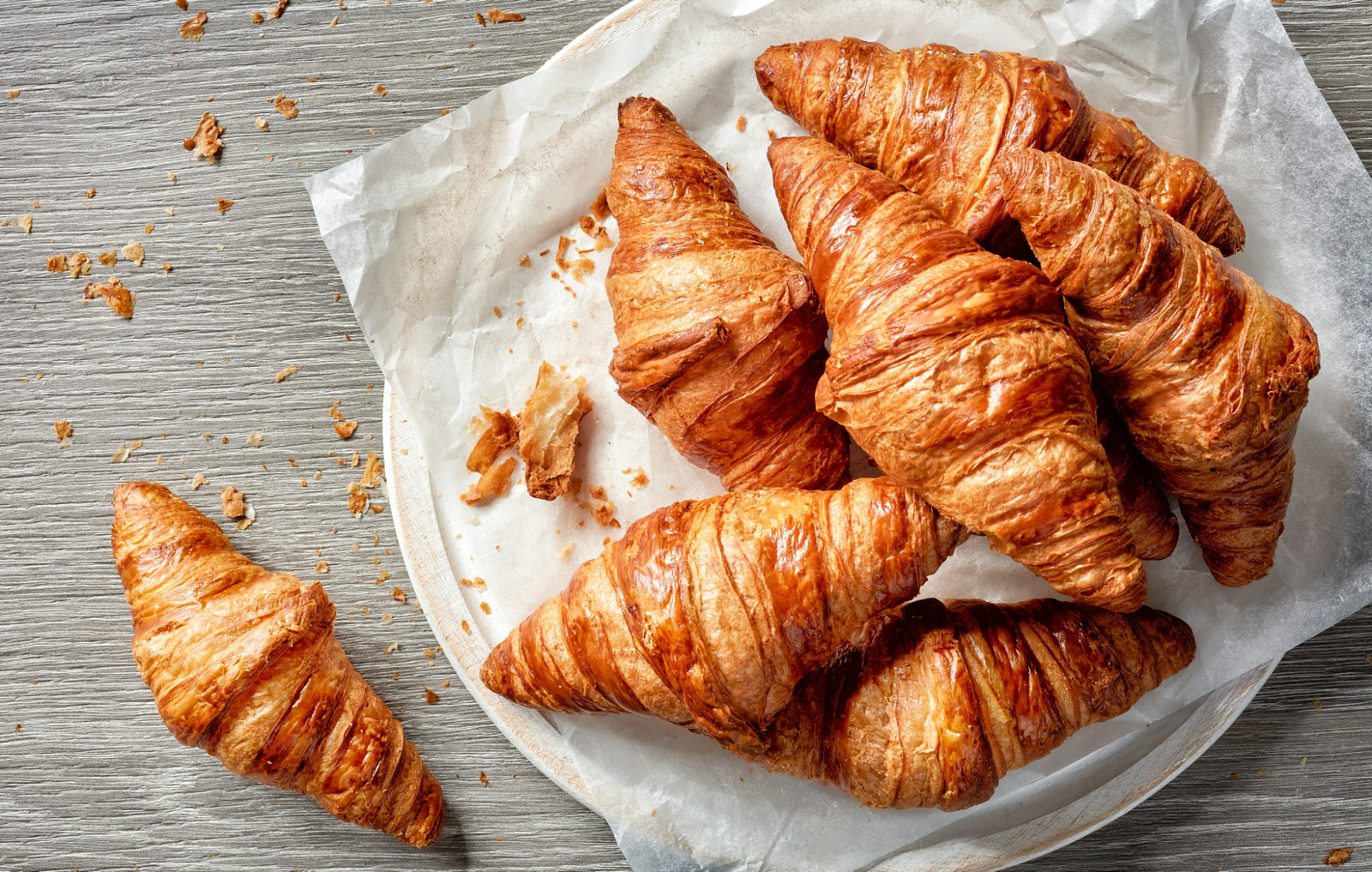
2. Handcrafted Croissants – The Zenith of Viennoiserie Artistry
While the baguette represents rustic simplicity, the handcrafted croissant found in Vietnam’s contemporary boutique bakeries is the ultimate symbol of pastry luxury. To engineer a flawless croissant, a baker must master the intricate technique of lamination: repeatedly rolling and folding blocks of premium imported butter into dough while keeping the room strictly chilled to prevent the fat from melting. The reward upon baking is a proud, crescent-shaped pastry boasting a paper-thin, shatteringly crisp golden shell. Biting into it reveals a perfectly symmetrical, open honeycomb interior that release a rich, buttery aroma without ever feeling heavy. This rigorous attention to detail elevates each croissant into a miniature, mesmerizing piece of edible art.
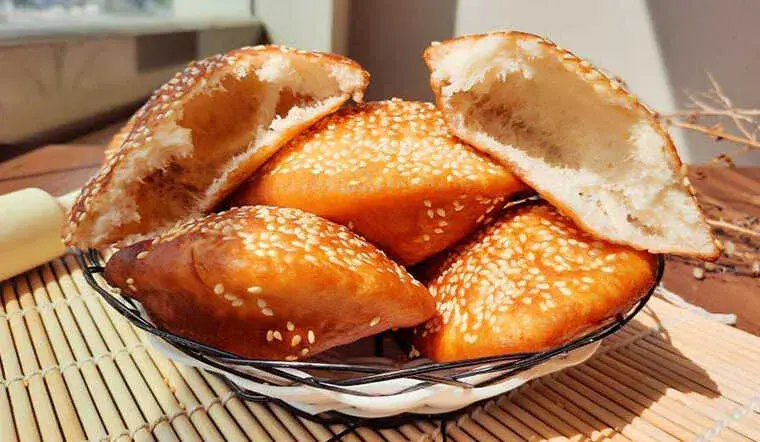
3. Banh Tieu (Hollow Donuts) – The Rise of Humbler Street Sweets
Sitting at the exact opposite end of the spectrum from Western oven-baked goods, banh tieu is the proud answer of Vietnamese street food to flour culture. Small, unassuming rounds of sweet wheat and glutinous rice flour dough are heavily coated in a thick layer of raw sesame seeds before being dropped into a wok of shimmering oil. Under the intense heat, the dough automatically puffs up like a balloon, creating a completely hollow core and a gorgeous golden-brown exterior. Enjoying a banh tieu is a delightfully tactile experience: the outer shell is pleasantly chewy and fragrant with toasted sesame notes, while the interior leaves behind a soft, tender layer of cooked dough with a mild, comforting sweetness. It is a rustic afternoon treat deeply woven into the childhood memories of generations of urban citizens.
Must-Visit Bakeries in Hanoi and Ho Chi Minh City
If you wish to savor these peak baking achievements in inspiring, aromatic spaces, these are the highly reputable addresses you cannot afford to miss:
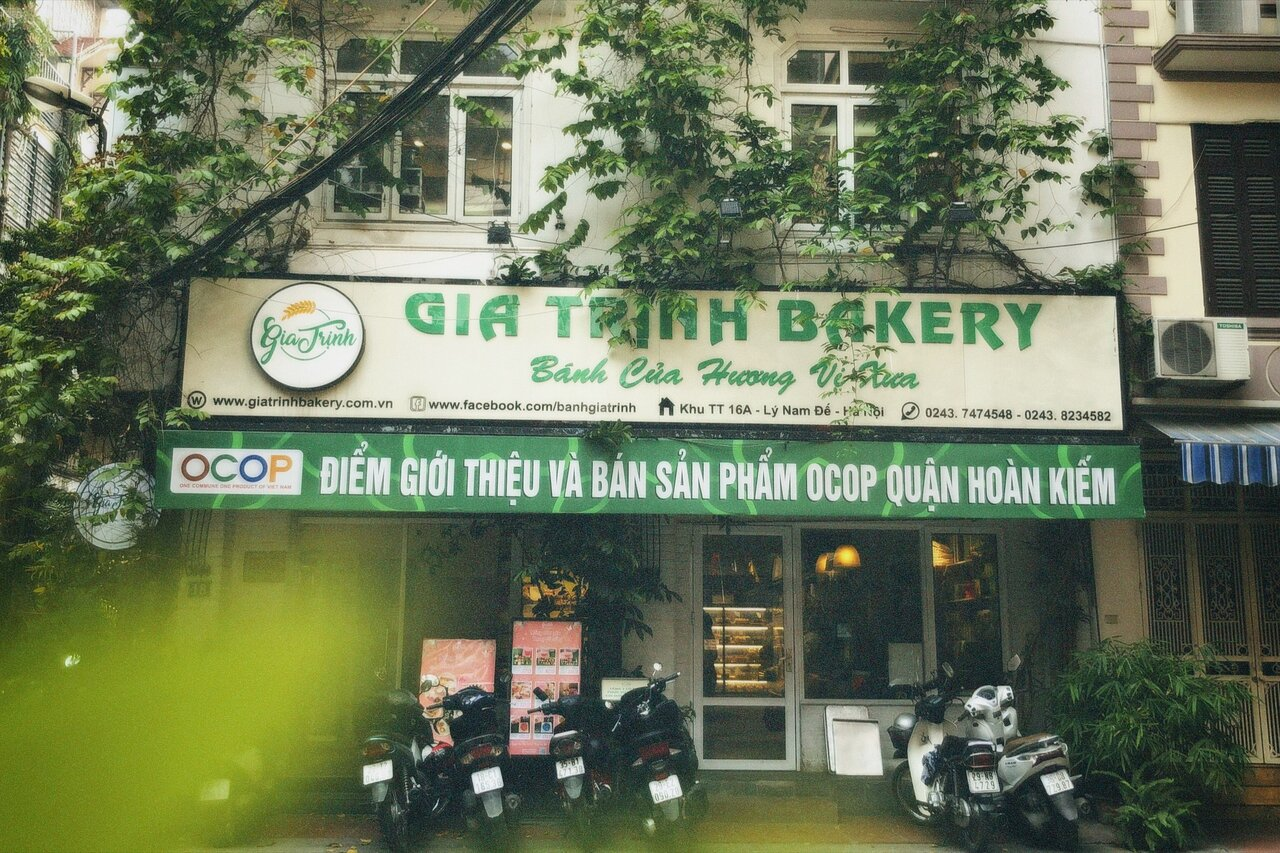
Gia Trinh Bakery (Hanoi)
Tucked away in a small alley off Ly Nam Des Street, Gia Trinh is an exceptionally unique institution in the capital. While widely celebrated for its traditional Vietnamese heritage cakes, their pastry and street food section—particularly their banh tieu and fried donuts—is executed with a rare level of meticulousness. Gia Trinh’s banh tieu are fried using fresh oil that is rotated daily, resulting in a thin, completely greaseless shell uniformly dusted with sesame seeds. The sweetness is carefully dialed back, and the inner chewy texture remains beautifully smooth, elevating this humble street snack into something elegant and highly sophisticated for those seeking local flavors under strict hygiene standards.
Saint-Honoré (Hanoi)
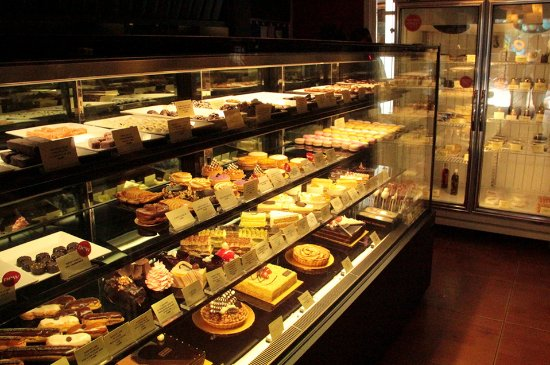
Widely regarded as one of the finest curators of French baking culture in Hanoi, Saint-Honoré (with its flagship location on Xuan Dieu Street, Tay Ho) brings an authentic Parisian atmosphere to the heart of the capital. This bakery is renowned for its baguettes, rye bread, and artisanal sourdough loaves baked fresh every single morning by highly experienced pastry chefs. The crusts here achieve the exact, deeply satisfying snap characteristic of boutique bakeries in France, while the interior retains a pleasant moisture and a gentle, natural tang from house-cultured levain. Enjoying a warm pastry alongside a cup of coffee in a room perfumed with toasted butter is a deeply relaxing urban ritual.
Maison Marou (Hanoi & Ho Chi Minh City)
While internationally acclaimed for their world-class “Bean-to-Bar” chocolate, Maison Marou is also a sanctuary for top-tier handcrafted pastries, particularly their croissants. The croissant at Marou is a marriage of premium French butter and the expert lamination techniques of master bakers. The pastry features a deep-amber, multi-layered exterior that shatters upon contact, giving way to a soft, aerated interior rich with buttery goodness. For an absolute sensory explosion, do not miss their Pain au Chocolat, which utilizes Marou’s own signature, single-origin dark chocolate—a true masterpiece for any pastry lover.
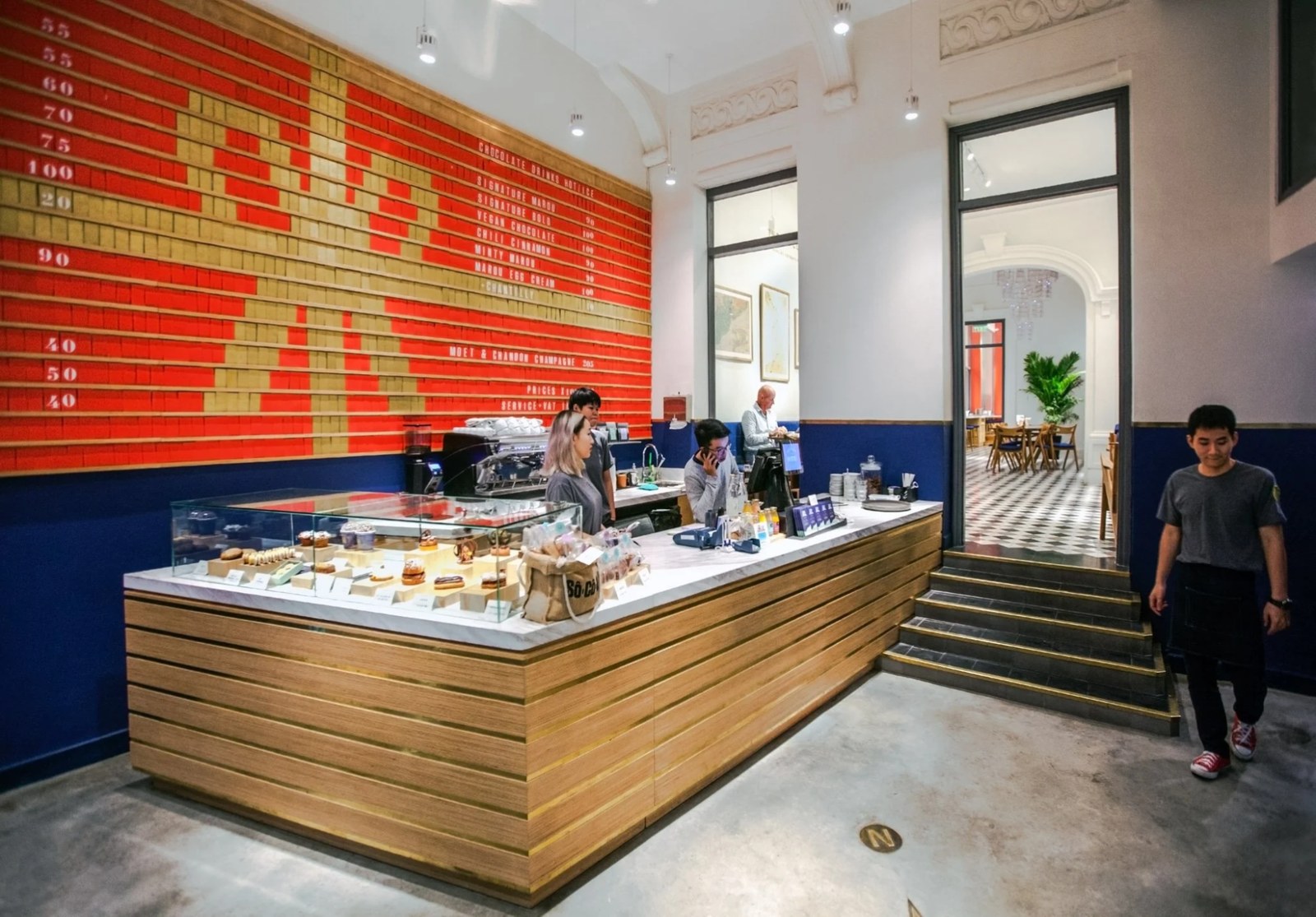
Banh Mi Nguyen Sinh (Ho Chi Minh City & Hanoi)
Established in 1942, Nguyen Sinh is one of the oldest running establishments in Vietnam that still preserves the early flavors of French-Vietnamese culinary fusion. Instead of serving grab-and-go street sandwiches, Nguyen Sinh invites guests to dine in an old-world aristocratic fashion: hot, freshly baked, dense-crumbed baguettes with a thick crust are served alongside a platter of artisanal cold cuts, house-made goose liver pâté infused with wine, head cheese, and imported butter. The bread here carries a distinct, robust aroma born from traditional baking methods. It is the perfect place to sit down with a knife and fork, slow down, and taste the living history of early twentieth-century urban cuisine.
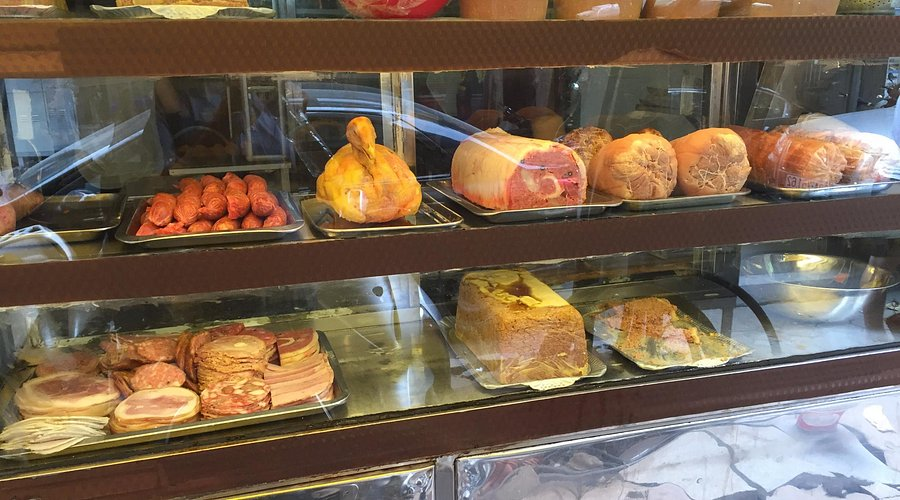
Conclusion
Vietnam’s bread culture is a vast and surprising universe where the strict disciplines of Western baking harmoniously meet the spontaneous, rustic soul of East Asian street food. Behind the crackly crust of a decades-old baguette recipe or the airy puff of a roadside banh tieu lies a profound journey of heritage preservation and endless creative thinking across generations of bakers. On your next exploration through Vietnam’s buzzing metropolises, step away from the long lines of the standard sandwich stalls for a moment. Walk into a craft bakery, call for a fresh loaf straight from the oven, and let the aromas of butter, flour, and yeast tell you a completely different story about the sweetness, heritage, and sophistication of this beautiful land.