
A Foreigner’s Guide to Vietnamese Rice Wine (Rượu Nếp / Rượu Cần)

The Guide to Professional Medical Tattooing & Microblading in Hanoi: Natural Beauty, Maximum Safety
Achieving a well-defined face with elegant eyebrows and radiant, plump lips is every woman’s dream. In Hanoi, the beauty trend has undergone a massive shift. Instead of the outdated, overly dark, and sharp look, modern women are absolutely raving about European-standard semi-permanent makeup and microblading. This advanced technique celebrates natural, effortless beauty—delivering instant results with…


When it comes to culinary culture and gatherings in Vietnam, there is an invisible yet incredibly powerful element that binds people together: traditional rice wine. For foreign travelers, getting acquainted with the local nhậu (drinking) culture and native spirits is both a thrill and a fascinating cultural journey. Unlike Western wines or commercial liquors, traditional Vietnamese rice wine carries the rustic flavors of sticky rice, wild mountain leaves, and a unique history spanning thousands of years.
Understanding how to enjoy this “national soul in a bottle” not only saves you from unwanted, overindulgent experiences but also serves as a golden key to bonding with exceptionally warm-hearted locals. Let us explore an in-depth guide to traditional Vietnamese rice wine—from the grand communal jars of the Highlands to the exquisite drops of Northern golden flower sticky rice wine.
A Journey Across the Map of Vietnamese Rice Wine
Rượu Cần (Highland Tube Wine) – The Gathering Dance of the Wild Mountains
If you ever have the chance to step foot into the red-soil lands of the South Central Coast and Central Highlands, you will be invited to partake in rượu cần—the ultimate symbol of community spirit among ethnic minority groups like the E De, Gia Rai, and Ba Na. The uniqueness of rượu cần lies in the fact that it is not distilled into a clear liquid. Instead, the wine base—made from cassava, corn, or upland sticky rice mixed with wild leaf yeast—is fermented directly inside large ceramic jars. When it is time to drink, pure spring water is poured into the jar, and everyone gathers around in a circle, using long bamboo tubes (called cần) to sip the rice wine directly from the bottom. The flavor of rượu cần is not sharply burning; rather, it offers a gentle sweetness, a mild tartness, and a subtle hint of mountain earthiness, delivering a sense of wild freedom as warm as the people themselves.
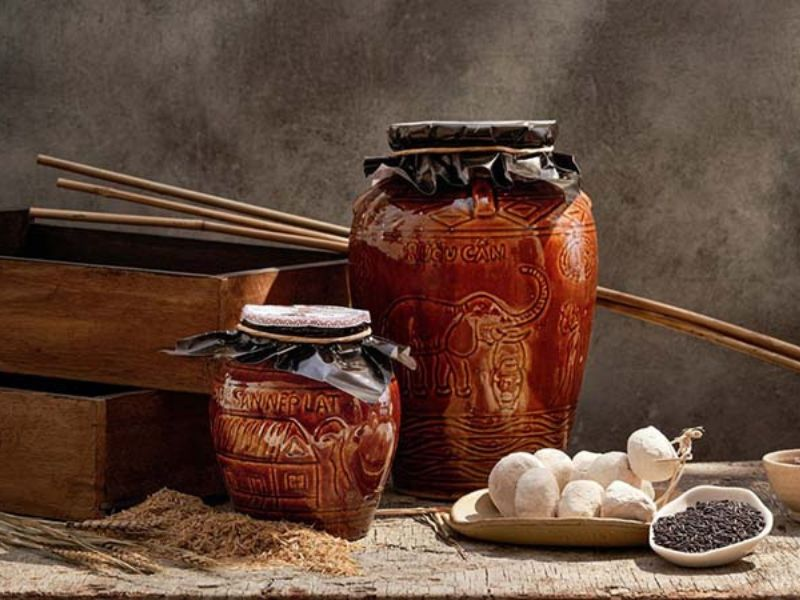
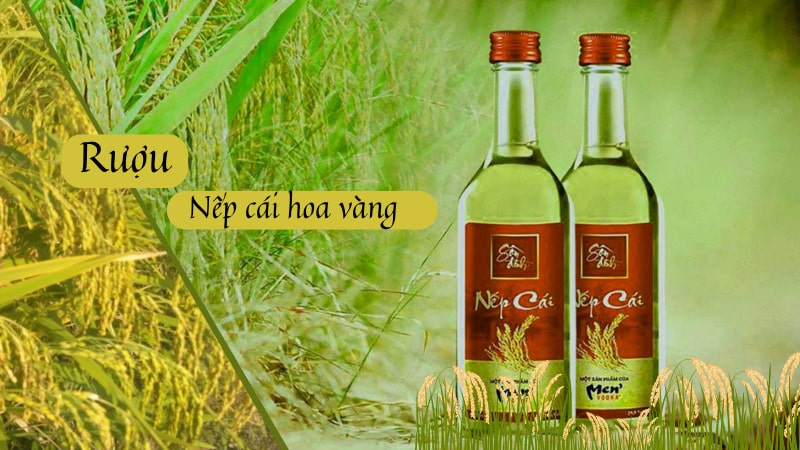
Rượu Nếp Cái Hoa Vàng – The Essence of the Northern Delta’s Golden Pearls
Heading up north, you will encounter another legend known as rượu nếp cái hoa vàng (Golden Flower Sticky Rice Wine). This spirit is distilled from a specialty sticky rice grown in the Red River Delta, prized for its round, plump grains and a rich aroma that fills the air even when the crop is still in the field. Making a batch of this wine requires absolute precision: the sticky rice is steamed into a chewy texture, evenly sprinkled with traditional medicinal yeast made from dozens of herbs, and then buried in ceramic jars underground (hạ thổ) for several months or even years. The final product is a naturally golden liquid with a moderate alcohol content, an incredibly smooth texture, a sweet aftertaste, and absolutely no headache the next day. To Northerners, this is not just a drink; it is a sacred offering presented to ancestors during major occasions.
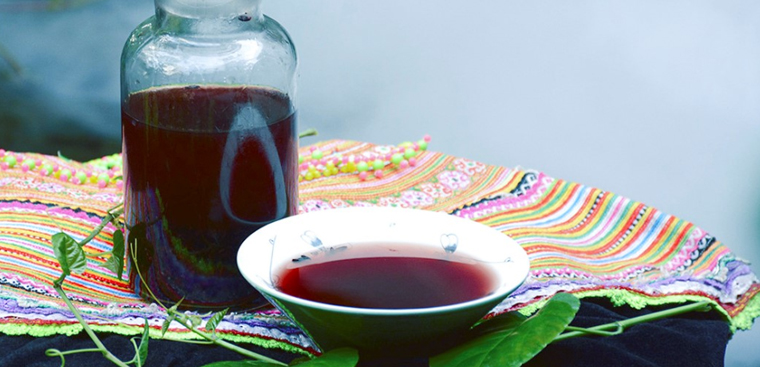
Rượu Nếp Cẩm / Nếp Than – The Alluring Purple of Urban Culinary Life
Popular from highland villages to the small alleys of major cities like Hanoi and Saigon, rượu nếp cẩm (or nếp than – Black Sticky Rice Wine) captivates travelers with its deeply seductive purple hue. This type of wine is typically crafted through natural fermentation (without distillation) using highly nutritious black sticky rice. After a few days of fermenting, the rice grains naturally release a intensely sweet juice that blends with the mild warmth of the yeast. In many places, this sweet extract is pressed and blended with white rice wine to increase the alcohol content. This wine boasts a rich, sweet, and approachable flavor profiles akin to fermented fruit juice, making it a favorite among female international travelers—though its smooth taste makes it easy to get “secretly tipsy” if you aren’t paying attention.
Drinking Etiquette and Safety Secrets for Foreigners
Enjoying rice wine in Vietnam is a highly collective experience, accompanied by fascinating unspoken rules that you should know to remain polite while protecting your well-being.
Navigating the “Một, Hai, Ba, Dô!” Culture and Table Manners
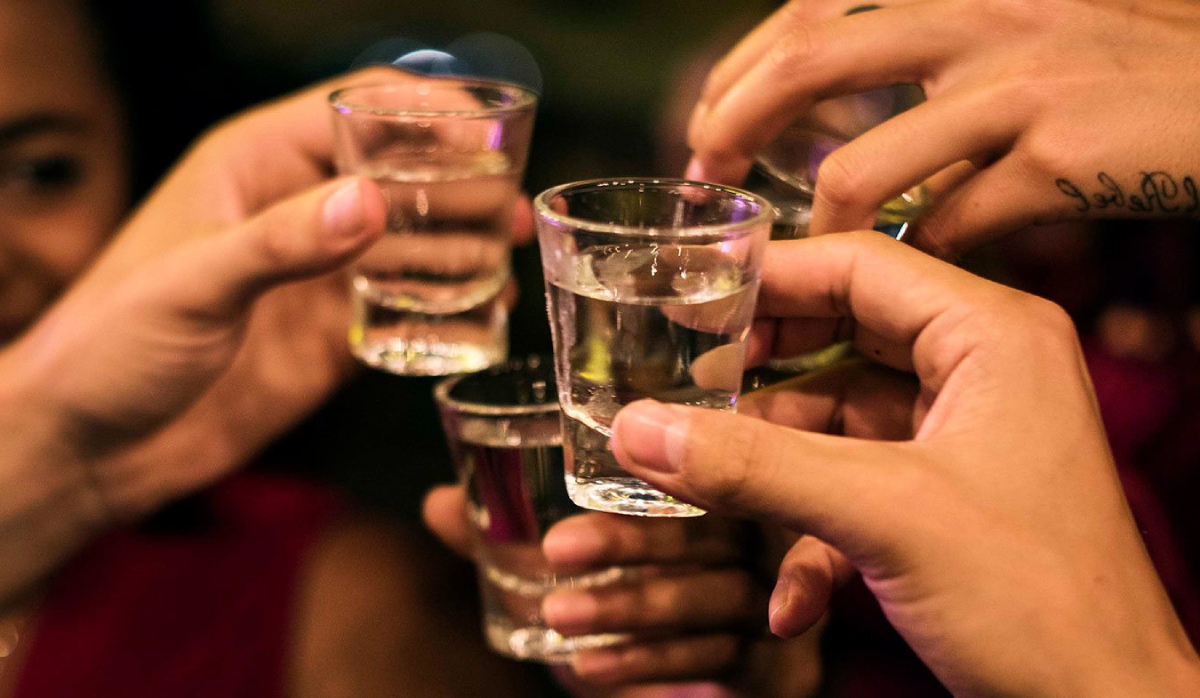
At Vietnamese eateries and restaurants, you will constantly hear enthusiastic, synchronized shouts of: “Một, hai, ba, dô! Hai, ba, dô! Hai, ba, uống!” (One, two, three, cheers!). This is a clinking ritual designed to erase any distance between people sharing a table. When someone actively invites you with the phrase “Trăm phần trăm” (100%), it means they are playfully asking you to drain your glass. However, if you cannot drink much, you can simply smile and reply with “Năm mươi phần trăm” (50%) or “Nhấp môi” (just a sip)—Vietnamese people are incredibly hospitable and will never force you if you express your limits sincerely. Furthermore, when clinking glasses with elders or superiors, remember to lower the rim of your glass slightly below theirs as a sign of respect.
Secrets to Selecting Safe Wine and Protecting Your Body
One of the most crucial notes for international tourists is to absolutely steer clear of wines of unknown origin, such as unbranded rice wine sold by the liter at empty street-side stalls, to prevent industrial alcohol (methanol) poisoning. Authentic traditional rice wine always carries the natural aroma of sticky rice and herbs without causing a burning sensation in your throat. To ensure a flawless experience, always eat some food beforehand (Vietnamese tables are always stocked with “drinking snacks” like roasted peanuts, salads, or boiled pork), sip water intermittently to stay hydrated, and above all: Never drive after drinking. Utilize ride-hailing apps to guarantee absolute safety.
Trusted Places to Experience Traditional Rice Wine Across Vietnam
To experience premium traditional wines in clean, safe, and culturally rich environments, consider visiting these reputable addresses:
Tầm Vị (Hanoi)
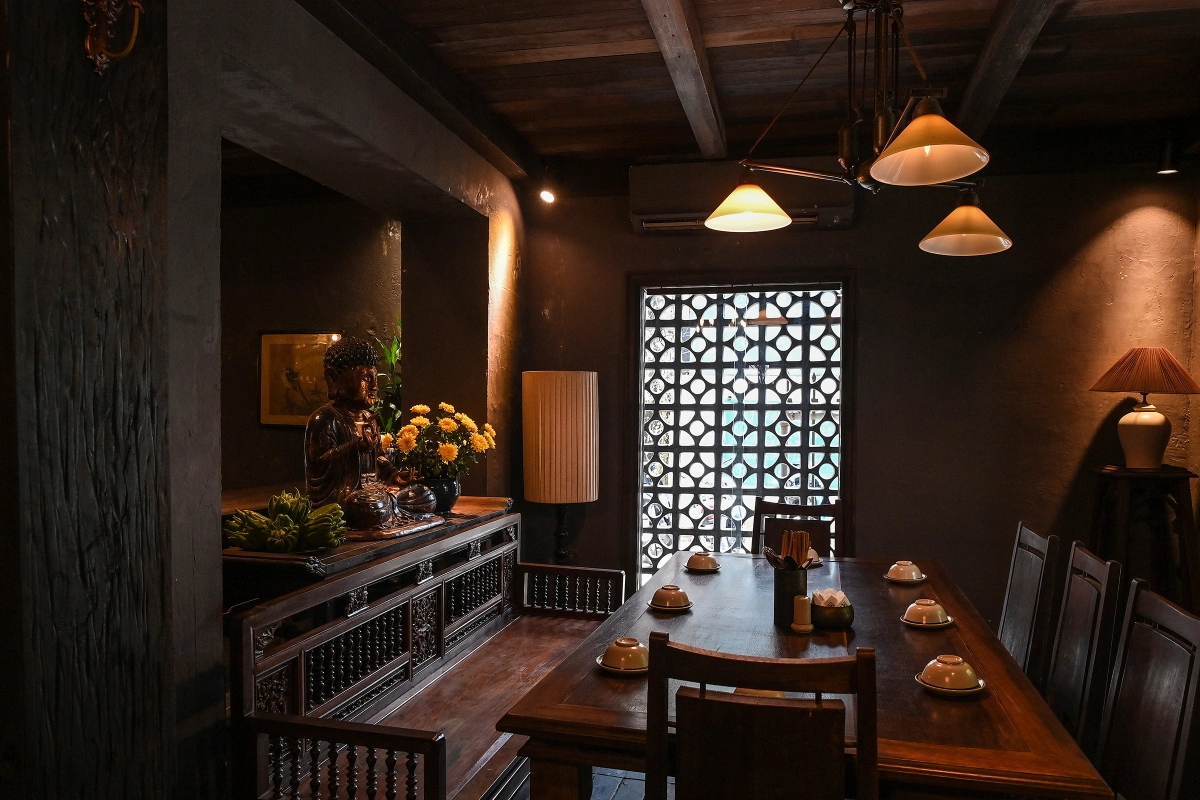
If you are in the capital, Tầm Vị (a Michelin-starred restaurant) located on Yen The Street is a perfect setting. Designed in the architectural style of an ancient Northern wooden house, this venue not only serves authentic, home-cooked family meals but also boasts a meticulously curated collection of house-fermented rượu nếp cái hoa vàng, apricot wine, and táo mèo (wild mountain apple) wine. The wines here are smooth, clean, and served in beautiful small ceramic carafes, ensuring a completely safe and immersive cultural experience for Western travelers.
Ẩm Thực Góc Quê (Hanoi & Ho Chi Minh City)
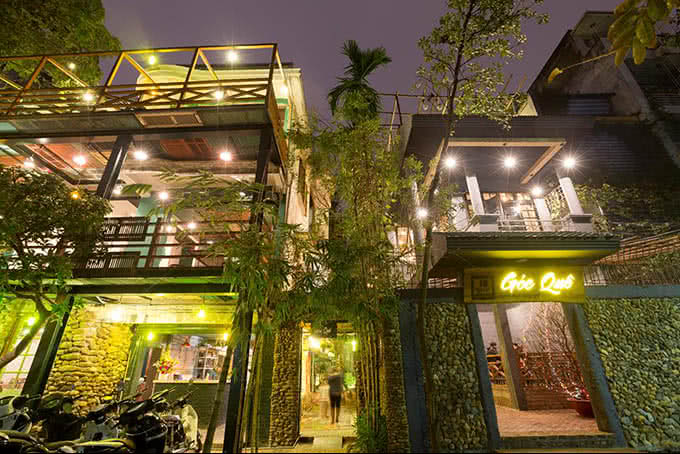
A well-known restaurant chain that beautifully replicates a miniature Vietnamese countryside village, Góc Quê is an ideal location for group gatherings. The restaurant is famous for its proprietary process of brewing and aging rice wine using traditional methods. Here, you can order a giant platter of roasted chicken and enjoy it alongside a carafe of sweet rượu nếp cẩm or fragrant, milky rượu nếp đục. The combination of rustic dishes and thoroughly filtered wines with reduced harshness guarantees a genuine local nhậu night that remains gentle on the senses.
Don Village or Eco-Tourism Zones (Đắk Lắk)
To experience Highland rượu cần in its truest form, nothing beats participating in a Gong culture night at eco-tourism villages in Dak Lak, such as Buôn Đôn or Buôn Cô Thôn. Here, the large jars of rice wine, brewed by the E De people using wild forest leaves, are brought to the center of a stilt house courtyard. You will find yourself immersed in the rhythmic thrum of gongs, holding hands in traditional dances, and sharing sips of cool, refreshing rượu cần, feeling a deep, sacred connection between humanity and the surrounding nature.
Conclusion
Traditional Vietnamese rice wine is far more than a mere intoxicant; it is a fluid bridge connecting the past and the present, a warm greeting extended by locals to friends from all over the world. Whether it is the sweet, rich notes of a glass of black sticky rice wine in the heart of a bustling city, or the earthy, robust warmth shared around a jar of rượu cần in the great mountains, these flavors will leave an indelible mark on your journey. Raise your glass responsibly, open your heart to the local customs, and you will soon find that you are no longer a stranger, but a welcome part of the celebration in this incredibly hospitable country. Cheers to a safe and wonderful journey!