
Top 5 Traditional Craft Workshops in Vietnam: From Lantern Making to Silk Weaving
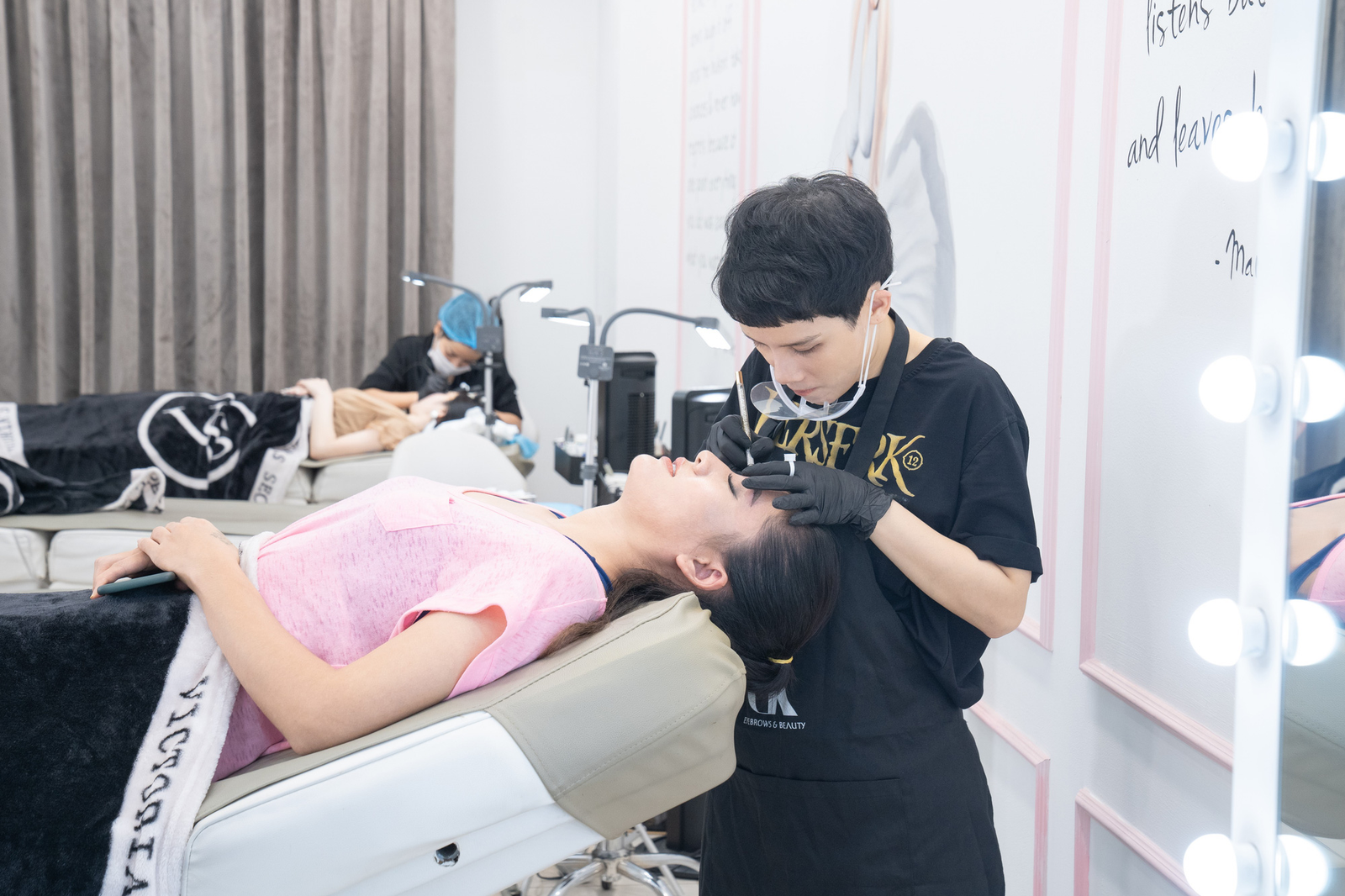
The Guide to Professional Medical Tattooing & Microblading in Hanoi: Natural Beauty, Maximum Safety
Achieving a well-defined face with elegant eyebrows and radiant, plump lips is every woman’s dream. In Hanoi, the beauty trend has undergone a massive shift. Instead of the outdated, overly dark, and sharp look, modern women are absolutely raving about European-standard semi-permanent makeup and microblading. This advanced technique celebrates natural, effortless beauty—delivering instant results with…

Vietnam captivates travelers not only with its breathtaking landscapes and vibrant street food but also with a profound history preserved through the skillful hands of its artisans. With the rising trend of “hands-on travel,” traditional craft workshops have become unmissable destinations for those seeking a deeper connection to the local culture.
If you are a creative soul looking to bring home a one-of-a-kind souvenir infused with your own personal touch, let’s explore the 5 most fascinating traditional craft workshops in Vietnam.
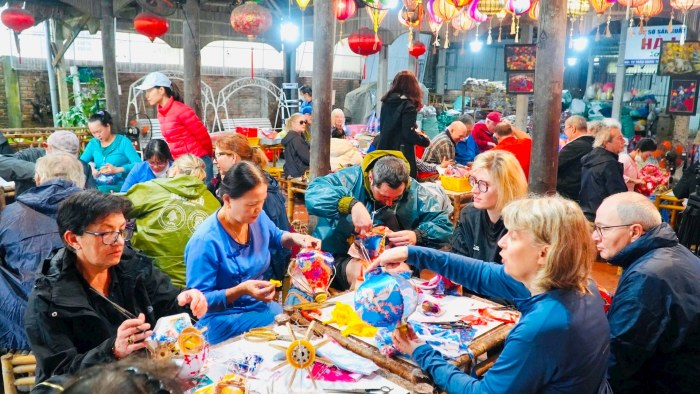
1. Ignite the Light: Lantern Making Workshop (Hoi An)
As night falls, Hoi An transforms into a radiant fairyland illuminated by thousands of colorful lanterns. Instead of simply buying one from a souvenir shop, hand-crafting your own lantern allows you to truly understand why these glowing orbs are considered the soul of the Ancient Town. In these workshops, local artisans guide you through every step: from selecting the bamboo frame and shaping the structure to meticulously applying fine silk over the frame. Lighting a lantern you made yourself in the heart of this heritage site is an unforgettable memory—a symbol of luck and peace to carry home from Vietnam.
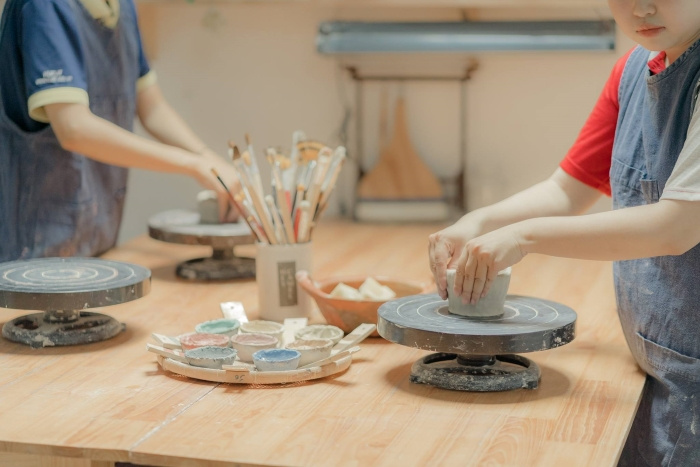
2. Breathe Soul into Clay: Bat Trang Pottery Village (Hanoi)
Located on the banks of the Red River, Bat Trang has been the pinnacle of Vietnamese ceramic art for over 700 years. The most exciting experience here is sitting at a pottery wheel, feeling the cool touch of raw clay, and learning how to coordinate your hands to mold bowls, vases, or coffee cups. This process requires patience and a delicate touch. Once your piece is shaped, you can hand-paint traditional motifs like lotus flowers or dragons before it is fired in the kiln. It is a wonderful opportunity to understand the harmony of the four elements: Earth, Water, Wind, and Fire.
3. The Art of Silk Weaving (Van Phuc or Duy Xuyen)
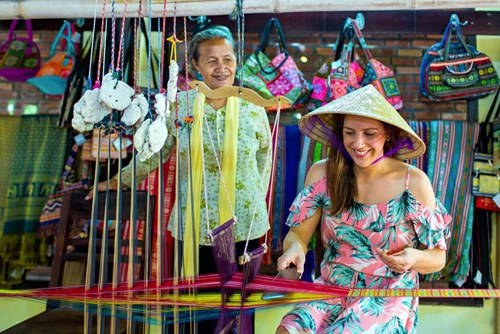
Vietnamese silk is world-renowned for its incredible softness and luxurious luster. Joining a silk weaving workshop allows you to witness the elaborate process firsthand—from raising silkworms and harvesting cocoons to watching delicate threads being spun on a loom. Under the guidance of master weavers, you can try your hand at operating the shuttle to weave your first few inches of fabric. This workshop is more than just learning a skill; it is a profound connection to Vietnam’s sartorial history, where every yard of fabric embodies the dedication and resilience of the craftsmen.
4. Stitch by Stitch: Conical Hat Making (Hue)
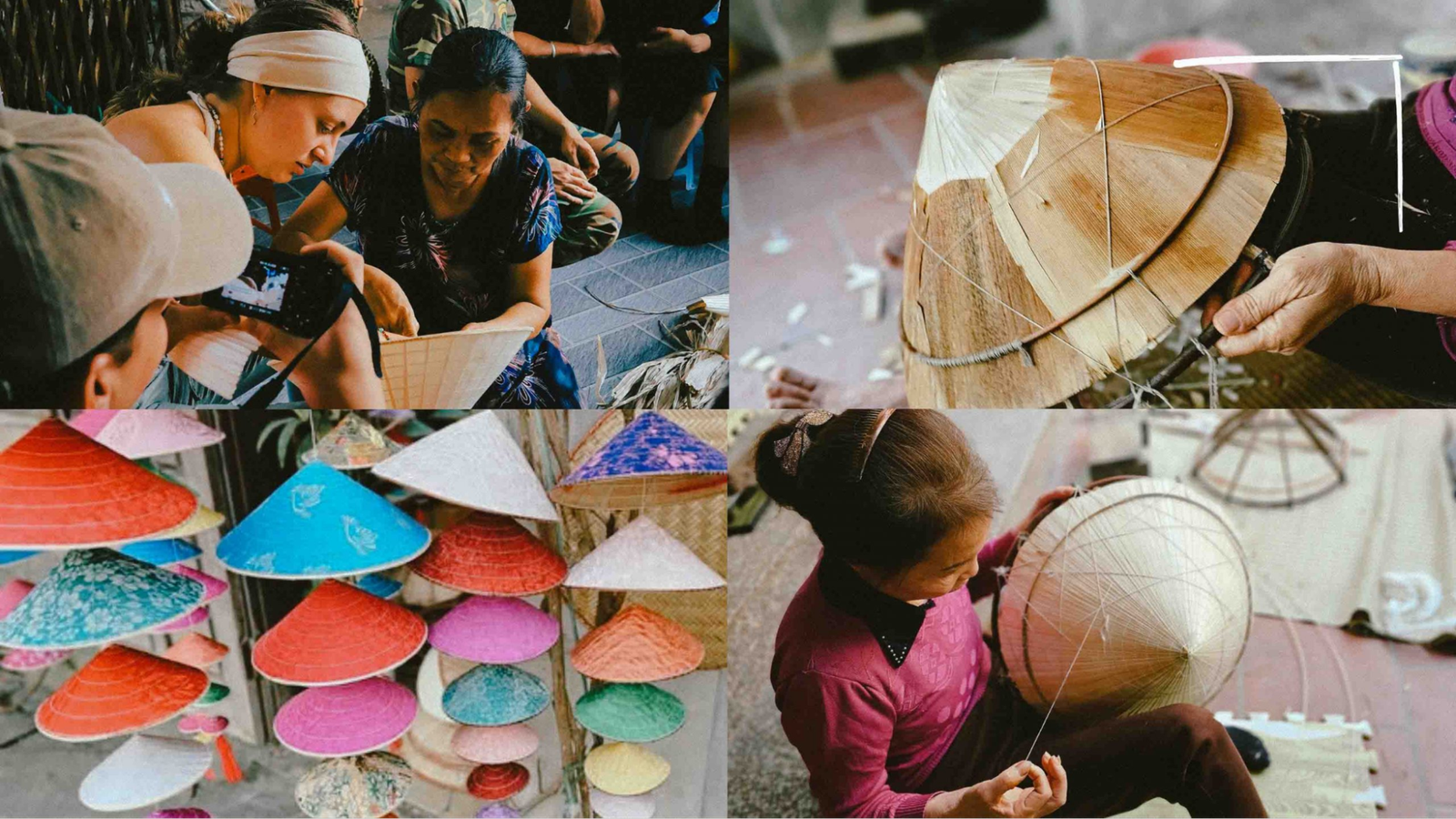
The Non La (conical hat) is not just a shield from the sun and rain; it is an iconic symbol of Vietnamese grace and femininity. In the craft villages of Hue, you will learn how to select dried palm leaves, arrange them over a circular bamboo frame, and master the technique of sewing with transparent nylon thread. To create a beautiful hat, the stitches must be perfectly even and tight. A unique highlight of Hue is the “Poem Hat” (Non Bai Tho), where you can skillfully insert poems or paper-cut patterns between the leaf layers, which only reveal themselves when held up to the sunlight.
5. Indigo Dyeing and Hand Embroidery (Sapa/Ha Giang)
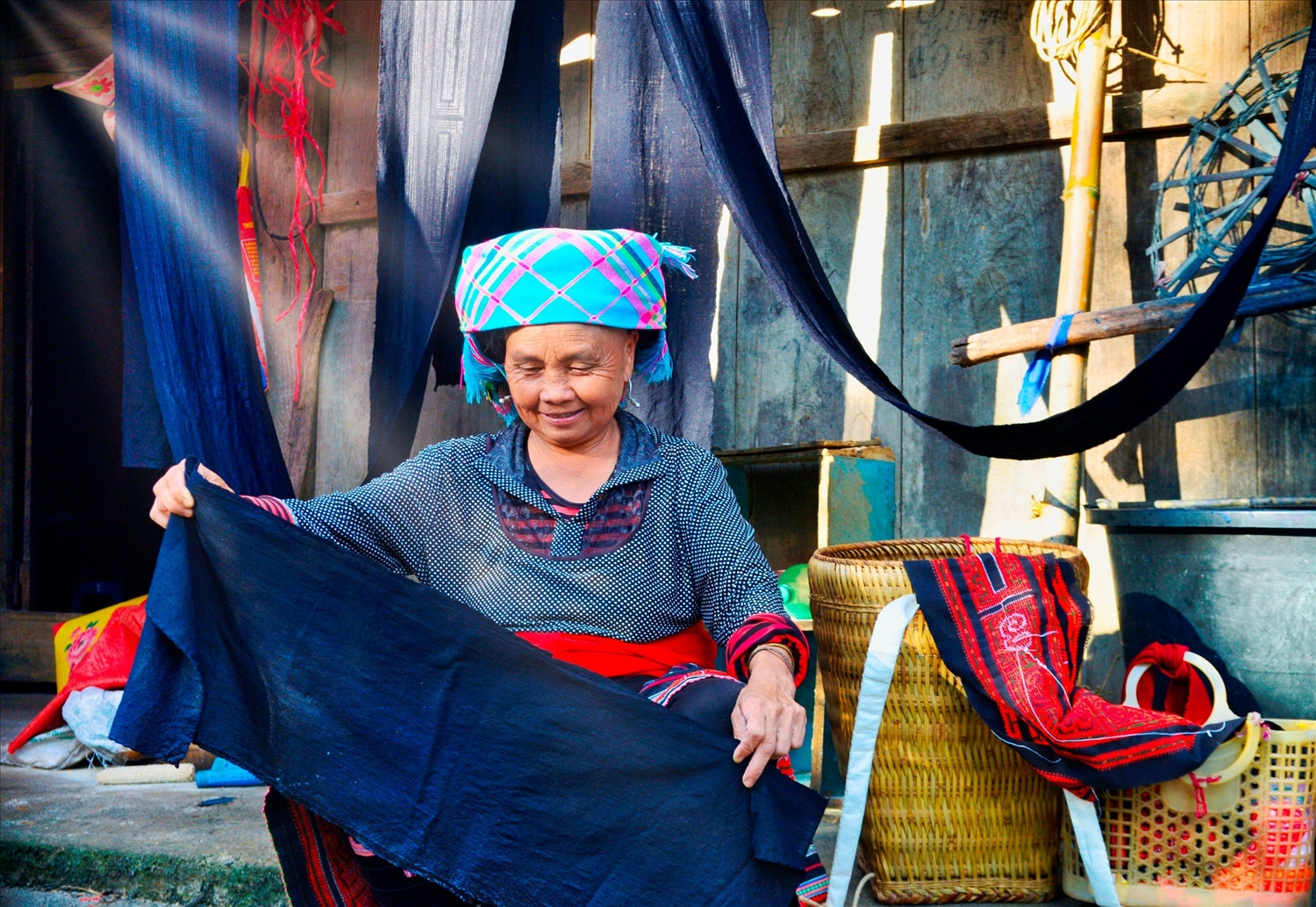
If you are drawn to the vibrant brocade patterns of the ethnic minorities in Northern Vietnam, an indigo dyeing and embroidery workshop is the perfect choice. Here, you will learn to use beeswax to draw intricate patterns on linen before dipping the fabric into natural indigo vats to achieve that signature deep blue hue. Every embroidered motif carries a unique spiritual and cultural meaning for the Hmong or Dao people. Sitting on the porch of a stilt house, meticulously stitching colorful threads, helps you embrace the slow pace of life and the free spirit of the highlands.
Conclusion
Embarking on a journey through Vietnam’s traditional craft villages is not just about owning a bespoke DIY souvenir; it is a bridge that closes the gap between travelers and indigenous culture. These moments of focus—feeling the natural materials and working with your hands—serve as a wonderful form of “travel therapy,” making your trip to Vietnam deeper and more meaningful than ever before.