Top 7 Most Captivating Traditional Festivals in Vietnam for Travelers
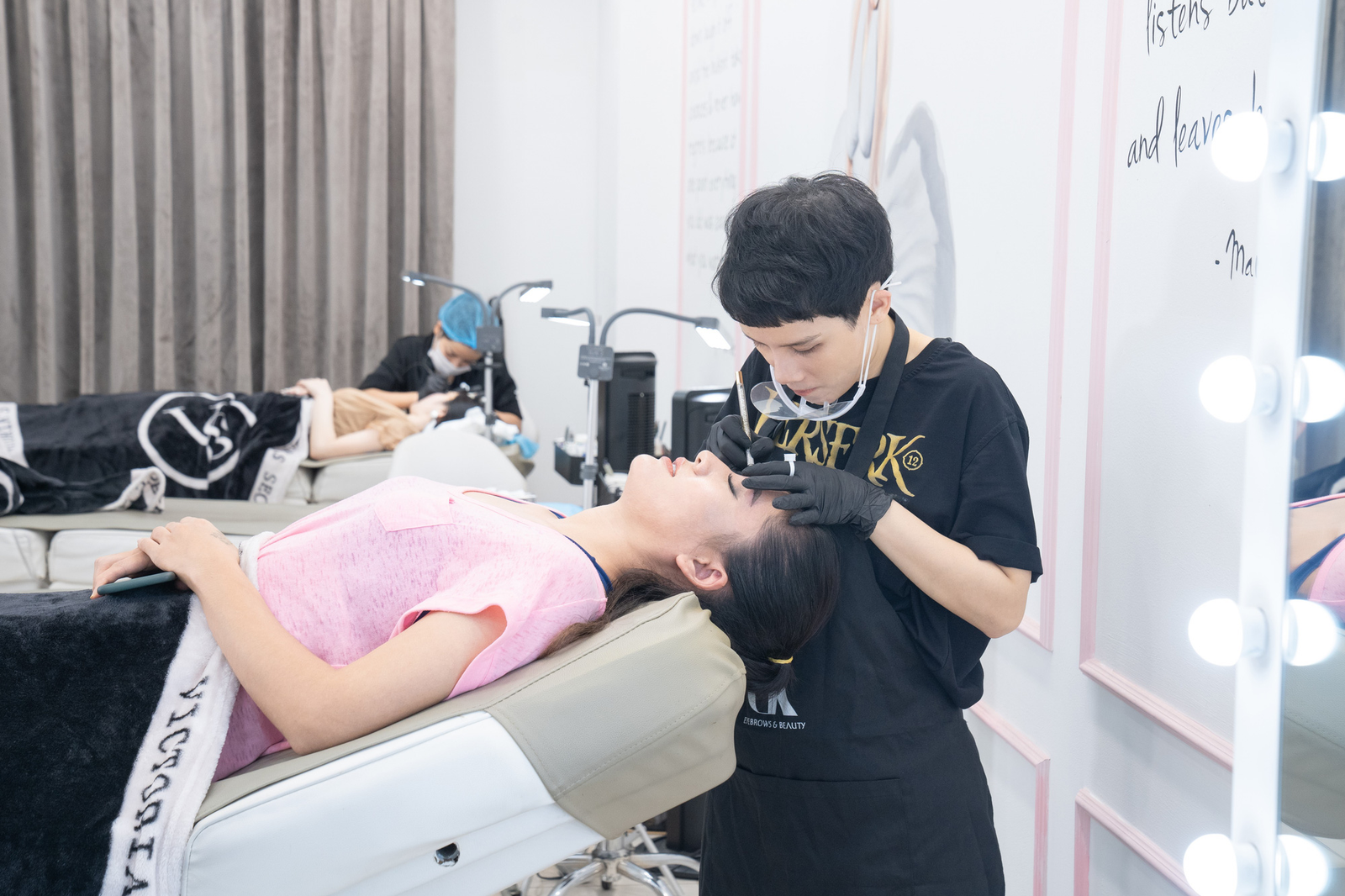
The Guide to Professional Medical Tattooing & Microblading in Hanoi: Natural Beauty, Maximum Safety
Achieving a well-defined face with elegant eyebrows and radiant, plump lips is every woman’s dream. In Hanoi, the beauty trend has undergone a massive shift. Instead of the outdated, overly dark, and sharp look, modern women are absolutely raving about European-standard semi-permanent makeup and microblading. This advanced technique celebrates natural, effortless beauty—delivering instant results with…
Vietnam captivates the world not only with its breathtaking natural landscapes but also with its immense treasury of intangible cultural heritage. Vietnam festivals are the “soul” that connects the past and the present—a place where travelers can touch the purest spiritual values. If you are planning a cultural tour, here are 7 iconic festival destinations with detailed information to help you easily arrange your itinerary.
1. Huong Pagoda Festival (Hanoi) – A Journey to the Land of Buddha
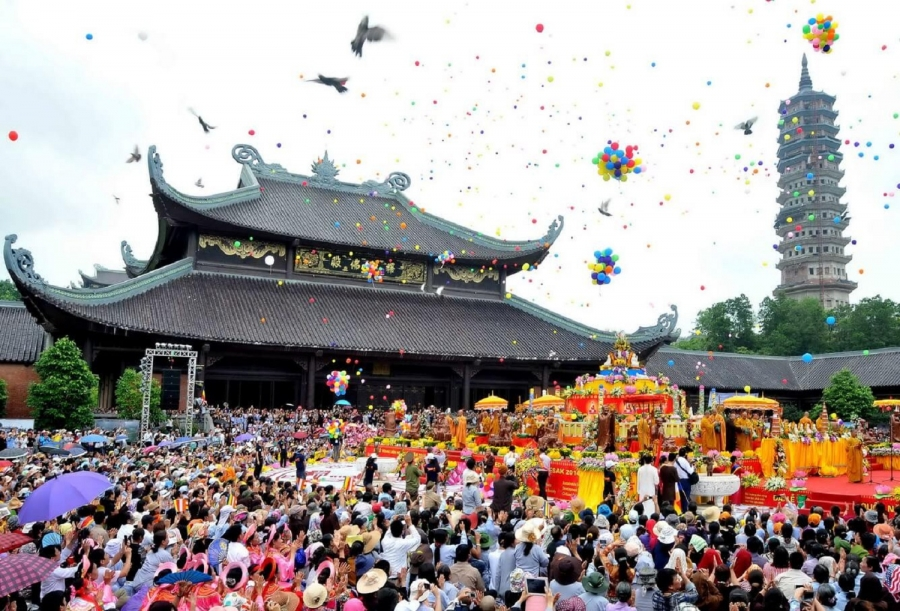
Spanning from the 6th day of the first lunar month to the end of the third lunar month (roughly February to April), the Huong Pagoda Festival in My Duc District, Hanoi, is the longest and largest spiritual pilgrimage in Northern Vietnam. This is the ideal time for visitors to combine early-year prayers with enjoying the poetic spring scenery.
The journey begins with a scenic boat ride along the Yen Stream, where small wooden boats glide through a landscape of majestic limestone mountains reflecting on crystal-clear waters. Upon docking, visitors can trek or take a cable car to Huong Tich Cave—hailed as the “South’s finest grotto.” The atmosphere, filled with drifting incense and the echoing sound of temple bells amidst a surreal mountain setting, brings a sense of inner peace and washes away the stresses of the past year.
2. Hue Festival (Thua Thien Hue) – The Quintessence of the Ancient Capital
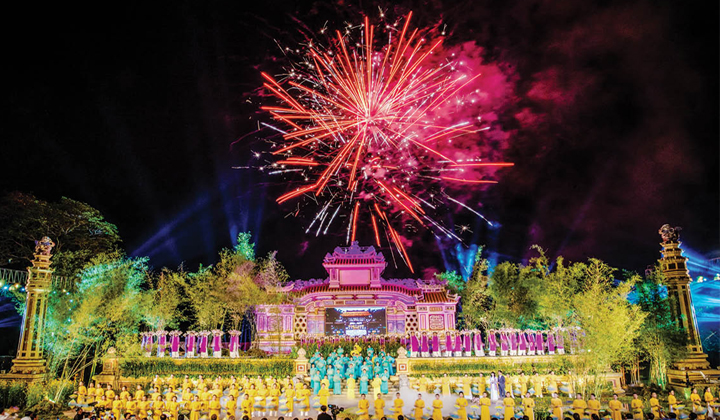
Unlike purely folk festivals, the Hue Festival is an international-scale cultural and artistic event. Currently organized as a “Four Seasons Festival,” the peak weeks typically fall in April or June every year. During this time, the ancient capital becomes more splendid and vibrant than ever.
At the Hue Festival, you can witness grand royal ceremonies such as the Nam Giao Sacrifice, the Ban Soc Ceremony, and majestic “Royal Nights” illuminated by lanterns. Ao Dai performances along the Huong River, Nha Nhac (Royal Court Music), and international street art troupes create a seamless blend of tradition and modernity. If you are a fan of photography and performance art, this is the golden time to visit the “Imperial City.”
3. Hoi An Lantern Festival (Quang Nam) – A Magical Full Moon Night
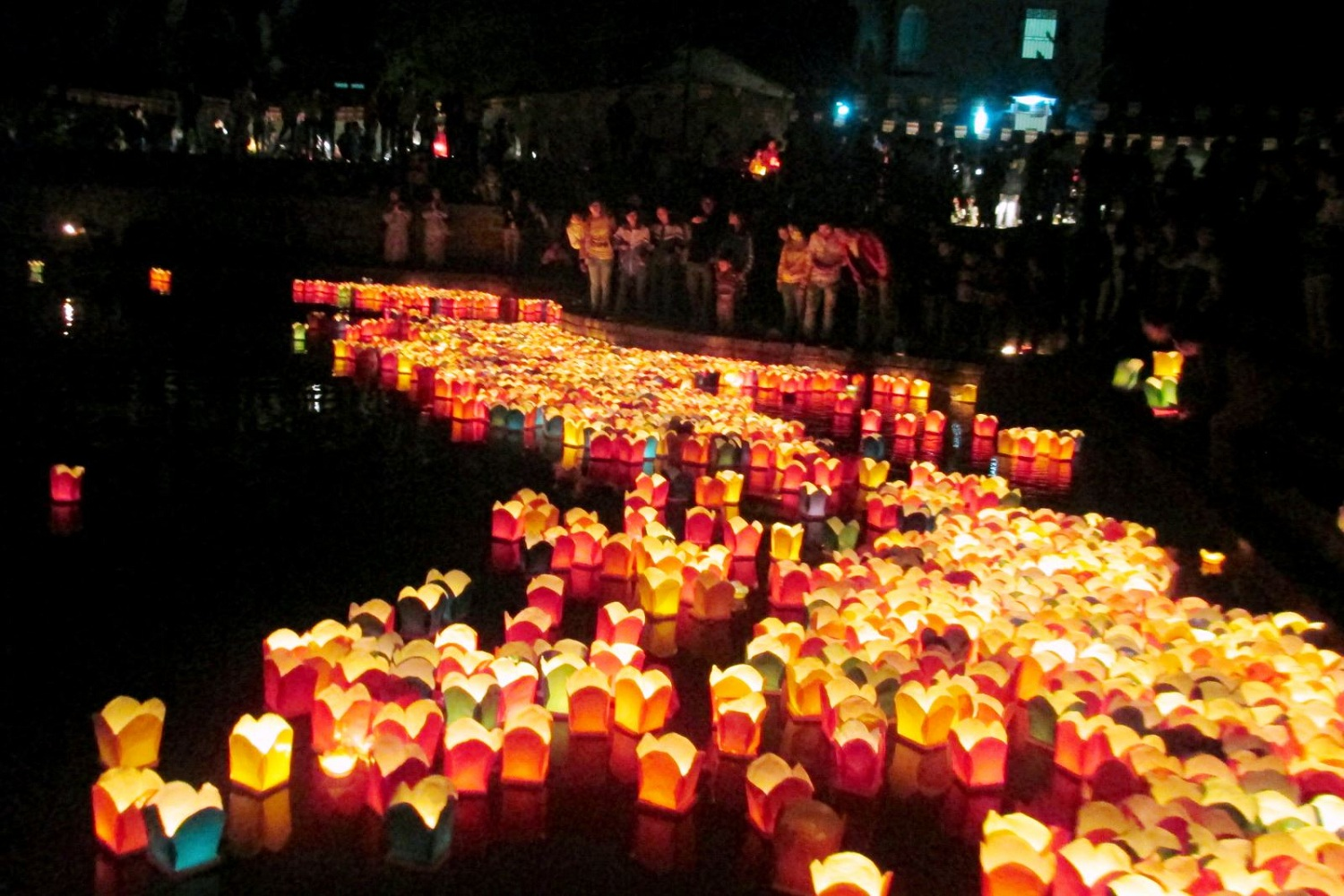
Travelers don’t have to wait for major annual holidays to experience the magic; the Hoi An Lantern Festival takes place on the 14th evening of every lunar month. On this night, the ancient town turns off all electric lights, giving way to the shimmering glow of thousands of handmade silk lanterns and river floats.
In the tranquil space of century-old wooden houses, you can board a small boat and manually release paper lanterns onto the Hoai River while making wishes for peace and prosperity. The sight of thousands of tiny lights drifting on the water, reflecting the ancient beauty of Hoi An, creates a romantic and ethereal atmosphere rarely found anywhere else in the world.
4. Ghe Ngo Boat Racing Festival (Soc Trăng) – The Strength of Mekong Delta Unity
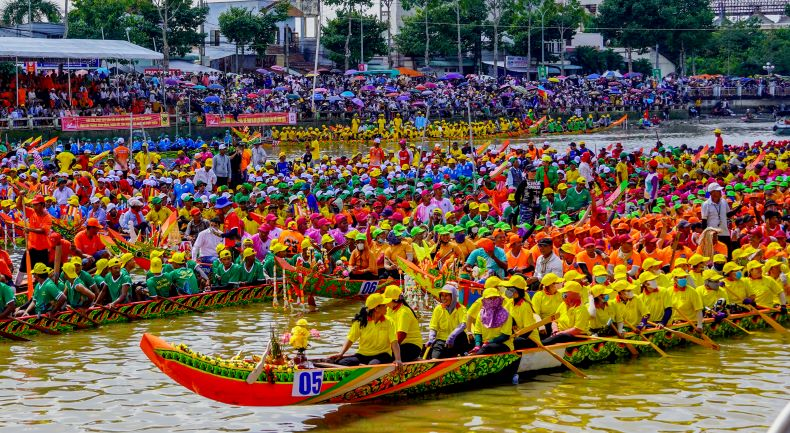
Held as part of the Oóc Om Bóc Festival of the Khmer people, the Ghe Ngo boat race is the most exhilarating activity, occurring on the full moon of the 10th lunar month (usually November) on the Maspero River in Soc Trang Province. This is an occasion for locals to thank the Moon Deity for a year of favorable weather and abundant harvests.
The thumping of drums and the roaring cheers along the riverbanks create an fiery atmosphere, embodying the generous spirit of the Mekong Delta people. The “Ghe Ngo” boats, over 30 meters long and intricately carved with traditional motifs, dash across the water under the rhythmic control of dozens of powerful rowers. This event is not just a sports competition but a vivid testament to community bonding and the unique cultural identity of the Khmer people in Southern Vietnam.
5. Hung Kings Temple Festival (Phu Tho) – Returning to the National Roots
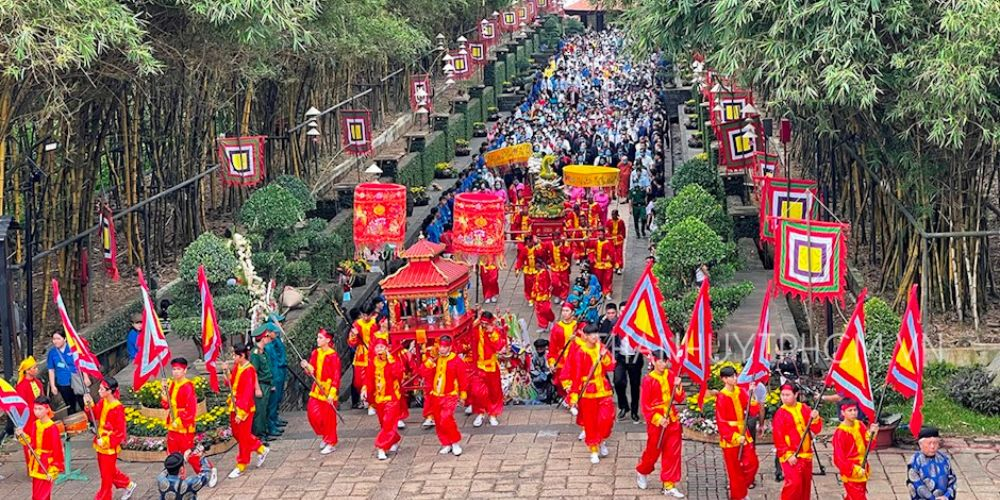
As the Vietnamese saying goes, “No matter where you go, remember the death anniversary of the Ancestors on the 10th of March.” Held at the Hung Kings Temple Historical Site in Phu Tho Province from the 8th to the 11th of the 3rd lunar month (with the main ceremony on the 10th), this is the most sacred national holiday for every Vietnamese person.
Visitors can witness grand processions winding from the foot of the mountain to the Upper Temple and participate in incense offerings to commemorate the Hung Kings—the founding fathers of the nation. Beyond the solemn rituals, the festival features folk games like swinging, wrestling, and especially Xoan Singing—a UNESCO-recognized intangible cultural heritage. Participating in this festival is the fastest way for international tourists to understand the national pride and the tradition of “remembering the source while drinking water.”
6. Black Virgin Mountain Festival (Tay Ninh) – A Spiritual Peak in the South
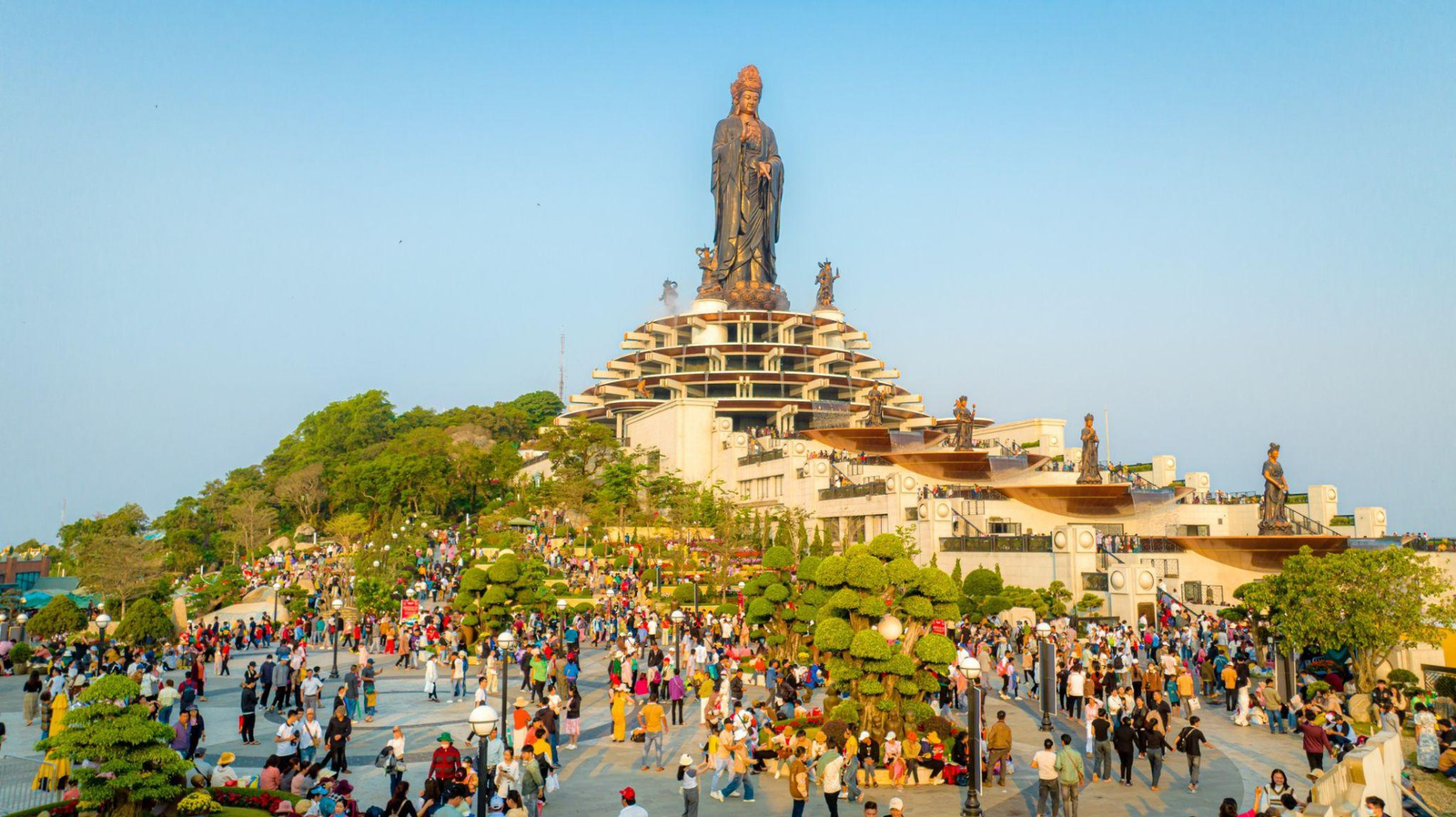
Beginning on the 4th day of the first lunar month and lasting throughout the spring, the Ba Den (Black Virgin) Mountain Festival in Tay Ninh attracts millions of pilgrims. This is the most famous spiritual destination in Southeastern Vietnam, featuring the tallest bronze Buddha statue in Asia situated at a height of 986 meters.
The main activities include offering incense for luck and peace at the ancient Ba Pagoda and Hang Pagoda systems. Today, with a modern cable car system, visitors can easily conquer the “Roof of Southern Vietnam” to admire the sea of clouds and the panoramic view of the fertile plains. Notably, on weekend evenings, artistic laser light shows on the mountain peak offer a breathtaking and modern twist to this traditional festival.
7. Kate Festival (Ninh Thuan/Binh Thuan) – The Colors of Champa Culture
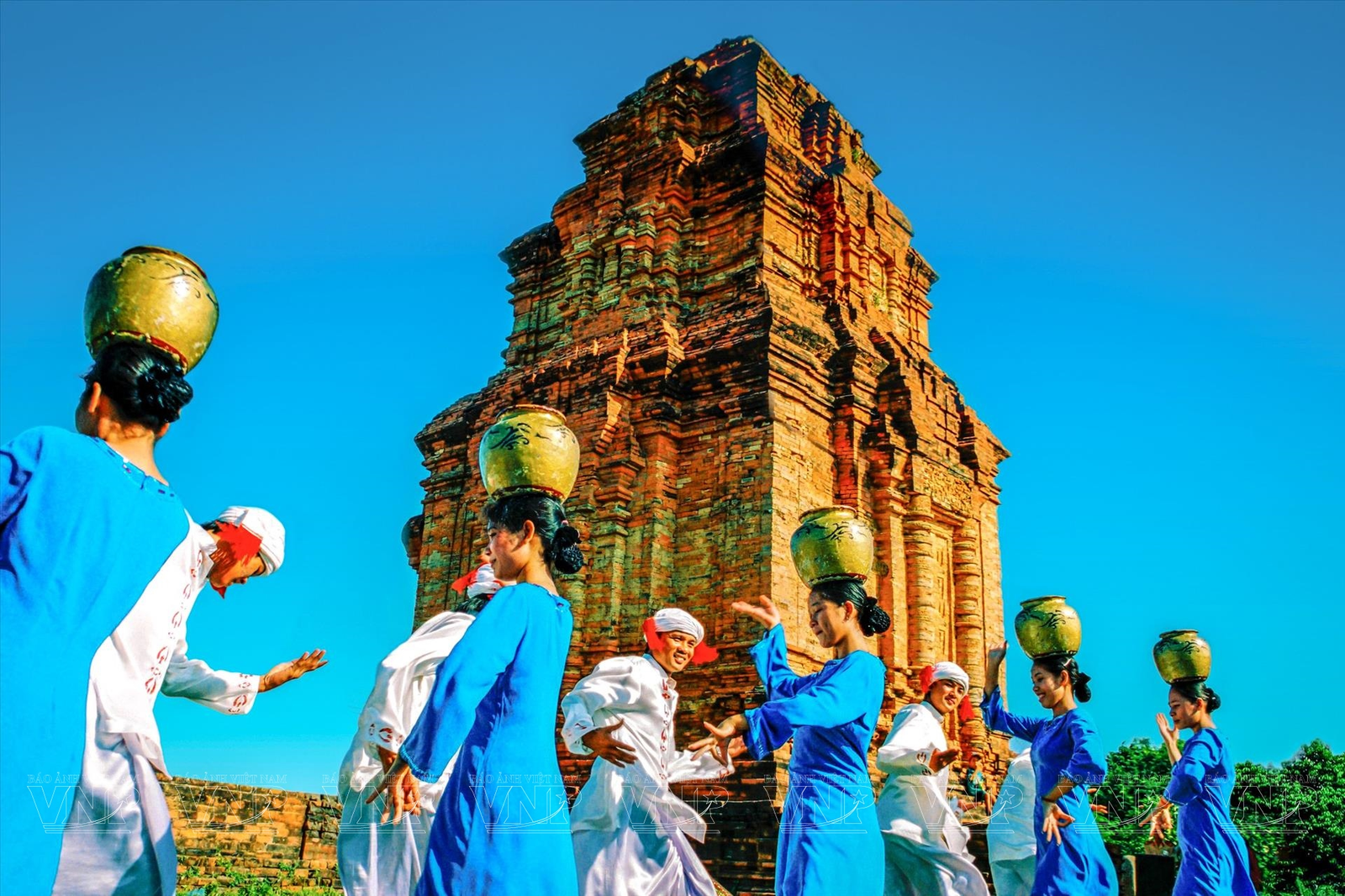
Taking place around early October, Kate is the most important festival for the Cham people (Brahmanism) to commemorate their deities and national heroes. The festival is usually held at ancient Cham towers, such as Po Klong Garai (Ninh Thuan) or Po Sah Inu (Binh Thuan).
Visitors will be immersed in the deep echoes of the Saranai flute and Paranung drums, while watching Cham ladies perform graceful fan dances in vibrant traditional costumes. The rituals of processing the deities’ robes and folk cultural activities under the shadow of thousand-year-old towers provide a unique cultural tourism experience, helping you explore a part of the brilliant heritage of the ancient Champa Kingdom.
Conclusion
Each Vietnam festival is not just an entertainment event but a story about history, faith, and human aspiration. Depending on when you start your journey, choose a festival that fits your schedule to truly live in the authentic cultural heartbeat of the S-shaped land.