
The Ha Giang Loop: 5 Essential Tips for a Safe & Epic Motorbike Trip

The Guide to Professional Medical Tattooing & Microblading in Hanoi: Natural Beauty, Maximum Safety
Achieving a well-defined face with elegant eyebrows and radiant, plump lips is every woman’s dream. In Hanoi, the beauty trend has undergone a massive shift. Instead of the outdated, overly dark, and sharp look, modern women are absolutely raving about European-standard semi-permanent makeup and microblading. This advanced technique celebrates natural, effortless beauty—delivering instant results with…
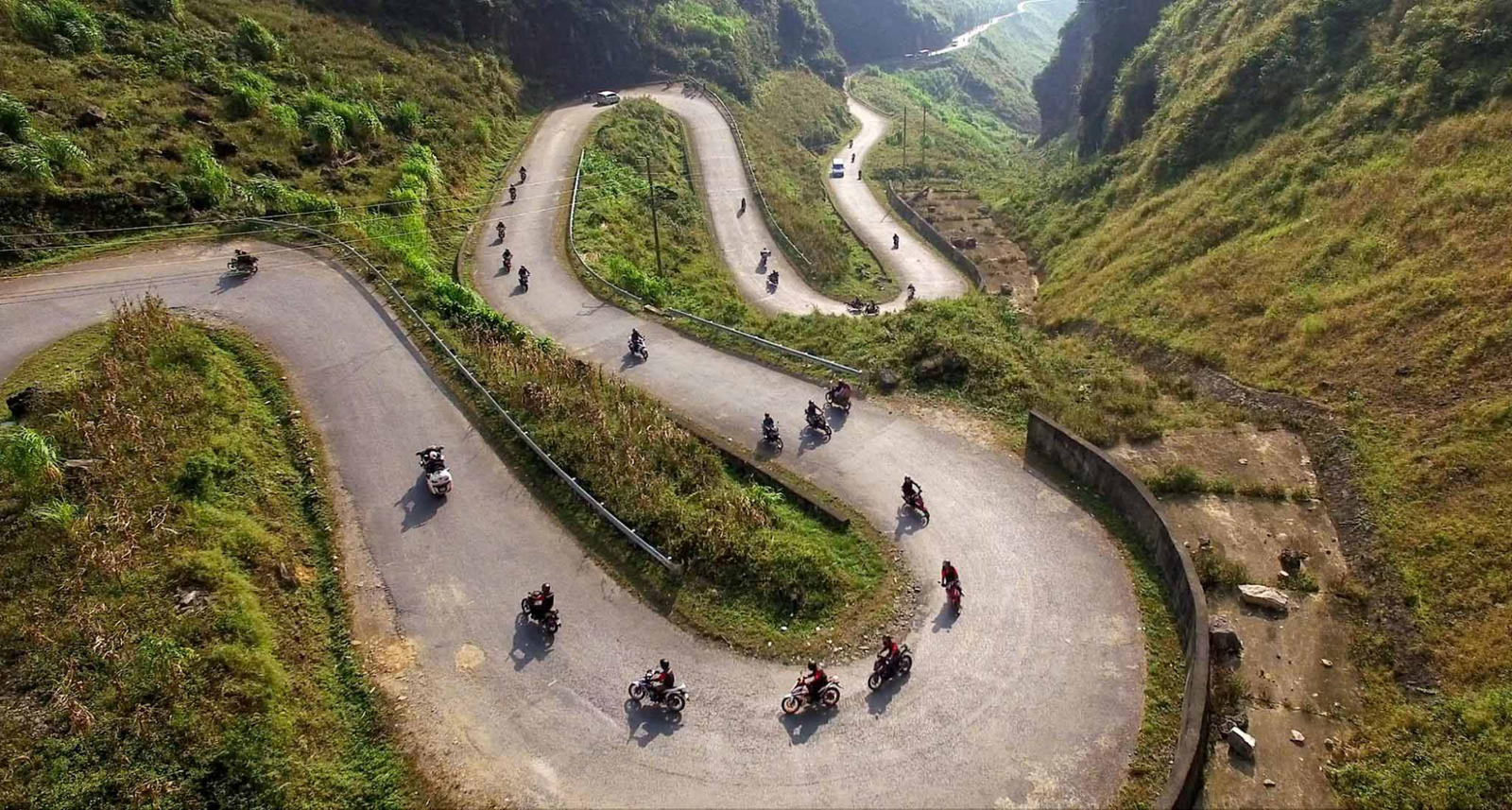
The Ha Giang Loop is more than just a road; it is a challenge, an epic saga of stone and clouds that every international backpacker dreams of conquering when visiting Vietnam. With its breathtaking hairpin turns, towering limestone karsts, and the heartfelt hospitality of local ethnic minorities, this is the ultimate adventure experience. However, to turn your journey from a “survival mission” into a true masterpiece of travel, thorough preparation is key.
1. The Ideal Itinerary: 3 or 4 Days?
To fully soak in the majesty of the rock plateau without burning out, a 4-day, 3-night itinerary is the gold standard.
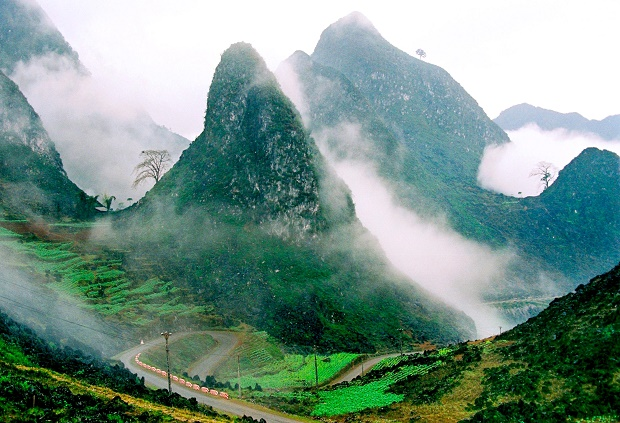
- Day 1: Ha Giang City – Quan Ba – Yen Minh. Start your journey by tackling the Bac Sum Pass and stopping at the Quan Ba Heaven Gate to witness the Twin Mountains shrouded in mist.
- Day 2: Yen Minh – Dong Van. As you venture deeper, the terrain becomes more dramatic with the winding Tham Ma Pass and the Sung La Valley—famously known as the “Story of Pao” house.
- Day 3: Dong Van – Ma Pi Leng – Meo Vac. This is the soul of the loop. You’ll ride along the Happiness Road and conquer the Ma Pi Leng Pass—one of Vietnam’s four most legendary mountain passes—looking down at the emerald Nho Que River deep below.
- Day 4: Meo Vac – Du Gia – Ha Giang City. The return leg through Du Gia is your chance to cool off in pristine waterfalls and enjoy a peaceful atmosphere before wrapping up your adventure.
2. Driving Permits and Legal Requirements
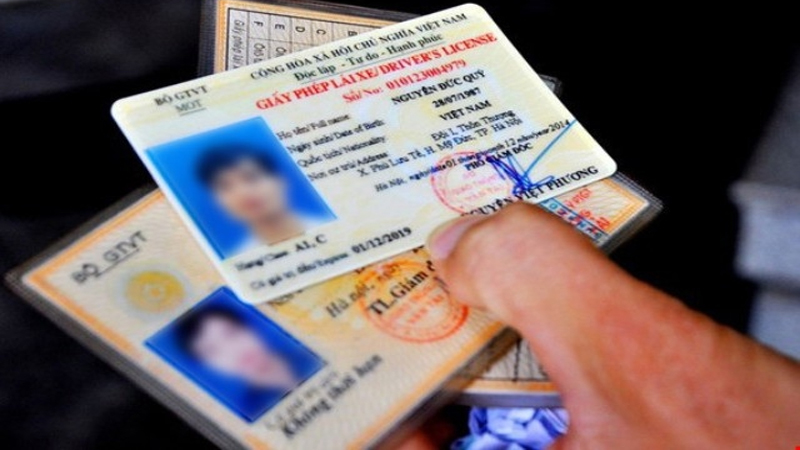
This is the most critical point to avoid unnecessary run-ins with local traffic police. For international travelers, you strictly require an International Driving Permit (IDP) alongside your domestic motorcycle license. Note that the IDP must be issued under the 1968 Vienna Convention to be legally valid in Vietnam. If you don’t have the proper license, the safest and smartest move is to hire an “Easy Rider”—experienced local drivers who not only handle the bike but also serve as expert guides to every hidden corner of the highlands.
3. Road Safety: “Slow and Steady”
The roads in Ha Giang are unforgiving, characterized by narrow lanes, sharp blind curves, and occasional random rockfalls. The golden rule is to keep to the right and honk your horn when entering blind bends to signal oncoming traffic (often large trucks or buses). Always perform a “pre-flight” check on your brakes, tires, and lights every morning. Most importantly, never drive after dark; heavy fog and a lack of street lighting turn these cliffs into unpredictable hazards.
4. Gear Up: Dress for Success
The weather in Ha Giang can be temperamental, often cycling through four seasons in a single day. The secret is layering. Proper riding gear with elbow and knee pads is non-negotiable for protection. Additionally, pack a high-quality raincoat and sturdy hiking boots with good grip. Don’t forget a small personal medical kit with bandages, antiseptic, and insect repellent to stay prepared in the heart of the wilderness.

5. Respect Local Culture and the Environment
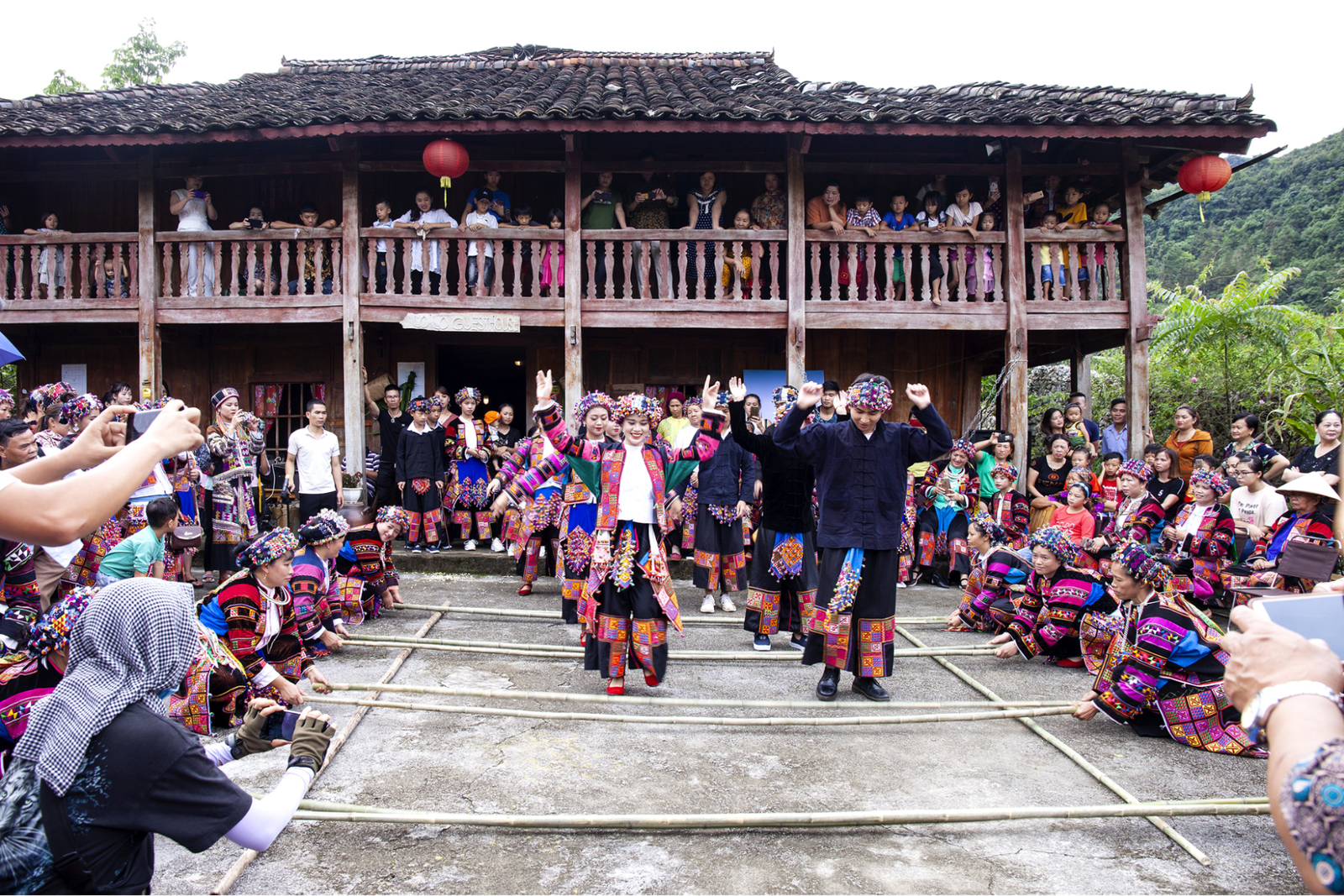
Ha Giang is home to various ethnic groups such as the H’mong, Dao, and Lo Lo, each with its own rich cultural heritage. Always ask for permission before taking photos of locals and strictly refrain from giving candy to children along the road (as this encourages a culture of begging). Instead, support the community by purchasing handmade crafts or staying at local homestays. Keeping the environment clean and not littering ensures this “Kingdom of Rocks” remains pristine for future adventurers.
Final Thoughts
The Ha Giang Loop isn’t for those seeking luxury; it’s for free spirits looking to test their limits. With a nerves-of-steel mindset, adherence to safety rules, and respect for nature, you will bring home some of the most vibrant memories of your life. Hit the road and let Ha Giang captivate you with its wild, untamed beauty!